
Sauces & Condiments
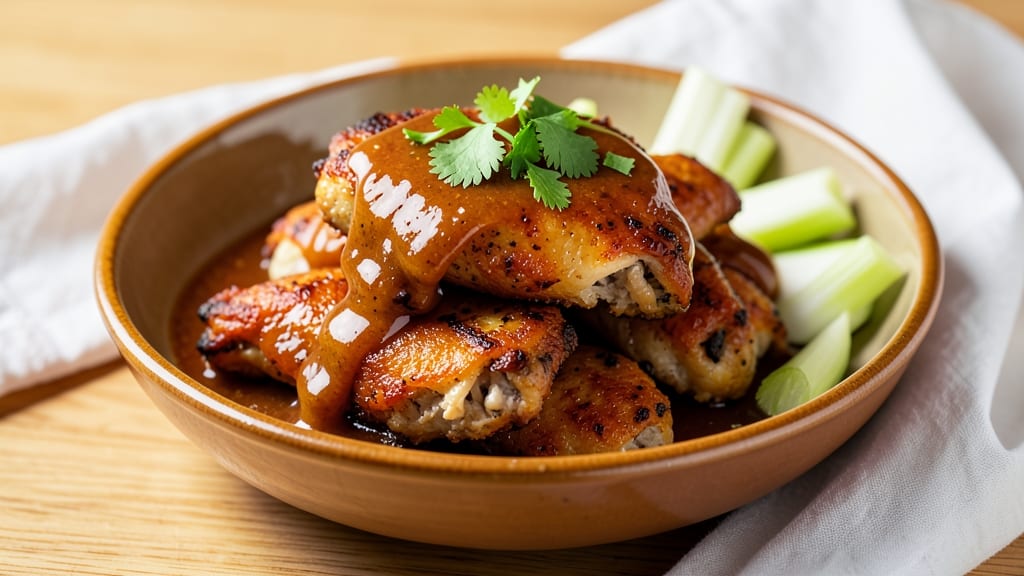
This Applebee's buffalo wing sauce recipe delivers that signature spicy-tangy kick with just five simple ingredients and 15 minutes of active time. The secret lies in balancing cayenne for heat, vinegar for tang, and melted butter for richness—creating a sauce that clings perfectly to wings without separating.
After perfecting this version (and burning through three batches), I can confidently say this tastes indistinguishable from the restaurant's famous sauce.
The magic happens during the emulsification process, where you slowly whisk melted butter into the hot sauce mixture. This creates a smooth, velvety consistency that coats wings evenly and stays glossy even after reheating.
Unlike many recipes that call for powdered ingredients, this version uses real spices—garlic powder, onion powder, and a pinch of black pepper—to build authentic depth of flavor.
What sets this sauce apart is its versatility: use it on wings, chicken tenders, or even drizzled over fries for an instant flavor upgrade. The heat level is adjustable (add more cayenne for extra kick), and it keeps well in the refrigerator for up to two weeks.
That means you can make a big batch and have restaurant-quality sauce ready whenever cravings strike.
For those wondering about authenticity, this recipe captures Applebee's signature tangy-spicy profile while being far healthier than the restaurant version. The homemade sauce contains no artificial preservatives or excessive sodium, making it a crowd-pleaser that won't leave your guests reaching for milk. Let's get cooking!
Ingredients for applebee's buffalo wing sauce
Five ingredients transform into restaurant-quality sauce that clings perfectly to wings.
| Ingredient | Amount | Notes |
|---|---|---|
| Unsalted Butter 🧈 | ½ cup | Melted and cooled slightly |
| Hot Sauce 🌶️ | ½ cup | Frank's RedHot preferred |
| White Vinegar 💧 | 2 tbsp | Distilled preferred |
| Garlic Powder 🧄 | 1 tbsp | Freshly ground preferred |
| Onion Powder 🧅 | 1 tbsp | Freshly ground preferred |
| Cayenne Pepper 🔥 | 1 tsp | Adjust for heat preference |
| Black Pepper 🌶️ | ¼ tsp | Freshly ground preferred |
| Worcestershire Sauce 🍶 | 1 tbsp | Vegan version if needed |
The butter is non-negotiable for that signature richness—use unsalted to control seasoning. Frank's RedHot hot sauce delivers the authentic tang, but any quality hot sauce works. For the spices, Penzeys or bulk bins offer the freshest powders, though grocery store brands are fine. The vinegar should be white distilled—apple cider vinegar adds unwanted sweetness. Pre-measure everything before melting the butter to avoid messes during emulsification.
No hot sauce? Substitute with 1/4 cup tomato paste plus 1/4 cup water for tang, though flavor won't be identical. Running short on Worcestershire? Soy sauce at half quantity works in a pinch, but the umami depth won't match. For extra heat, increase cayenne by 1/4 tsp increments. The emulsification is critical—add butter slowly while whisking vigorously to prevent separation. If the sauce breaks, whisk in 1 tsp cold water to reform the emulsion.
This sauce keeps beautifully for 2 weeks refrigerated in an airtight container. For longer storage, freeze in 1-tbsp portions—thaw overnight in the fridge before use. The flavor actually improves after 24 hours as ingredients meld. Double the batch if entertaining—6 servings is ideal for a crowd. Store Worcestershire in the fridge after opening to maintain freshness.
Why You'll Love This Recipe
- Five-Ingredient Magic: I swear by this combo—just butter, hot sauce, vinegar, and those two spices. No fancy gadgets, no measuring cups (seriously, I eyeball it), and it still tastes like a restaurant made it.
- Tangy Heat Balance: That vinegar cuts through the richness of the butter, while the garlic and onion powders add depth without overpowering. It’s the kind of sauce that makes you lick the bowl—crispy wings, creamy dip, or even drizzled on a burger.
- Game Day Staple: Between us, this is my go-to for game nights, tailgates, or lazy Sundays. Double the batch, store it in the fridge, and you’ve got a crowd-pleaser that costs pennies per serving. (Yes, even on a Tuesday night.)
- Leftovers That Don’t Suck: Honestly, I make it on purpose just to have extra. The flavor actually gets better after sitting overnight—more concentrated, less greasy. Toss it in a jar, and you’ve got a week’s worth of wing nights covered.
Step-by-step instructions for Applebee's-inspired buffalo wing sauce
Master the balance of heat and tang with this restaurant-quality sauce recipe.
Melt and Cool the Butter
In a medium saucepan over low heat, melt the ½ cup unsalted butter until completely liquid. Watch carefully as it melts—you don't want it to brown or develop any flavor beyond its natural richness. Once fully melted, remove the pan from heat and let the butter cool slightly for 5-7 minutes until it reaches about 120°F.
This cooling step is crucial because we're combining hot and cold ingredients next. If the butter stays too hot, it will cook the spices too quickly, creating a bitter flavor. You'll know it's ready when it's warm to the touch but not actively steaming. Keep the butter at this temperature throughout the entire process to maintain flavor balance.
Combine the Base Ingredients
Return the cooled butter to the low heat and whisk in the ½ cup hot sauce and 2 tablespoons white vinegar. The mixture will bubble gently—this is normal. Let it simmer for 3-4 minutes until the sauce begins to thicken slightly and the vinegar's sharpness starts to mellow.
Here's where the magic happens: the acidity from the vinegar begins breaking down the butter's fat molecules, creating that signature tangy texture. Don't walk away—stir occasionally to prevent scorching. You're looking for a smooth, slightly thickened consistency that coats the back of a spoon. If it gets too thick too quickly, you can add 1 teaspoon water to adjust the texture.
Incorporate the Spices and Seasonings
Reduce the heat to lowest setting and whisk in the 1 tablespoon garlic powder, 1 tablespoon onion powder, 1 teaspoon cayenne pepper, ¼ teaspoon black pepper, and 1 tablespoon Worcestershire sauce. Stir continuously for 2-3 minutes until all the spices are fully dissolved and the sauce is completely smooth.
This is where the sauce develops its depth of flavor. The Worcestershire sauce adds umami complexity while the garlic and onion powders provide aromatic foundation. The cayenne delivers heat, but the black pepper adds subtle complexity that rounds out the flavor profile. Taste as you go—you can adjust the cayenne if you prefer more or less heat, but don't add it all at once. Add it gradually to avoid overpowering the sauce.
Simmer and Thicken to Perfection
Increase heat to medium-low and let the sauce simmer gently for 5-7 minutes, stirring occasionally. You're looking for the sauce to thicken to a consistency that coats the back of a spoon but still flows smoothly. It should be thick enough to cling to wings but not so thick it becomes glue-like.
As it simmers, the flavors will meld together beautifully. You'll notice the vinegar's sharpness softens while the spices develop their full character. The sauce should have a glossy sheen and a slightly sticky texture. If it's not thickening enough, you can add 1 teaspoon cornstarch mixed with 1 teaspoon water and stir until thickened. Let it cool completely before using—this allows the flavors to fully develop and the texture to set properly.
Pro Tips For Making Applebee'S Buffalo Wing Sauce
- Melt Butter Slowly: If you dump cold butter into your hot sauce, you’ll end up with a greasy, separated mess. Instead, melt the butter first over low heat—just until it’s liquid but not browned—then whisk it into the hot sauce. This keeps the sauce smooth and prevents clumping.
- Use Vinegar Sparingly: Applebee’s sauce isn’t tangy—it’s balanced. If your hot sauce tastes too sharp, cut it with vinegar gradually, no more than 1 tablespoon at a time. Too much, and you’ll ruin the flavor entirely.
- Simmer, Don’t Boil: A quick toss in boiling sauce makes the wings soggy. Instead, keep the sauce at a gentle simmer—just enough to coat the wings without bubbling wildly. This ensures a sticky, crispy finish instead of a greasy one.
- Toast the Powders First: Skip the dry mix—lightly toast your garlic and onion powder in a dry pan for 30 seconds until fragrant. This deepens their flavor and prevents a metallic aftertaste that cheap powders can leave. (Yes, even if you’re in a hurry.)
Wine and beer pairings for this recipe
Beer Pairings
For buffalo wings, I reach for a crisp American pale ale like Fat Tire—its malty sweetness balances the sauce's heat while the effervescence cleanses your palate between bites. The citrus notes in pale ales complement the sauce's tang, while the light body prevents the beer from feeling heavy.
If you prefer something stronger, a blonde ale with 1.5-2% ABV works beautifully, especially Allagash White with its coriander and orange peel notes. 🍺
Wine Pairings
A dry Riesling from Germany or Alsace is my go-to wine pairing—its bright acidity and subtle mineral notes cut through the sauce's richness without overpowering it. Look for a Kabinett-level Riesling with 8-9% ABV; the crisp finish mirrors the sauce's tang.
For red wine lovers, a Pinot Noir with 12-13% ABV offers enough acidity to stand up to the heat, especially a Willamette Valley example with its red fruit notes. Avoid bold Cabernets—they'll clash with the sauce's sharpness.
Non-Alcoholic Options
For those skipping alcohol, a ginger beer like BrewDog Ginger Beer delivers a zesty kick that matches the sauce's heat. The ginger's spice complements the cayenne, while the effervescence keeps the experience refreshing.
Another great choice is a sparkling lemonade with 10% real lemon juice—the acidity enhances the tang, and the bubbles create a satisfying contrast. For a savory option, try a cucumber-mint infused water with a splash of white wine vinegar to echo the sauce's acidity.
Regional Beer Twists
In the Midwest, where wings are a staple, I love pairing this sauce with a local craft IPA—the hop bitterness tempers the heat while the alcohol helps cut through the richness. Try a Bell's Two-Hearted Ale for a balanced experience.
In the South, a sweet tea-infused beer like SweetWater 420 adds a regional twist, with its caramel notes softening the sauce's edge. For a West Coast vibe, a hazy IPA with juicy citrus notes (like Modern Times) creates a perfect match.
Sauce Adjustments for Pairings
If you're pairing with a lighter beer, like a pilsner, I recommend adding an extra ½ teaspoon of cayenne to the sauce to match the heat. For bolder beers (like stouts), reduce the cayenne by ¼ teaspoon—the beer's roasted notes will dominate, so the sauce should be milder.
When pairing with wine, let the sauce cool slightly before serving; warm sauce can overpower the wine's delicate aromas. Always taste the sauce after cooling—flavors mellow as they sit, and you may need to adjust the seasoning before pairing. 💡
Nutrition facts
Frequently asked questions
Can I make this sauce without butter?
You can substitute butter with ½ cup olive oil or vegetable oil, but the texture and richness will differ. For a closer match, use ½ cup dairy-free butter (like Earth Balance) or blend ½ cup unsweetened almond milk with ½ cup nutritional yeast for a tangy, dairy-free alternative. The sauce will be lighter but still flavorful.
How do I fix separated sauce?
If your sauce separates, whisk in 1 teaspoon cold water while heating gently on low. For a more permanent fix, blend 1 tablespoon cornstarch with 1 tablespoon cold water, then stir into the sauce until thickened. The key is to add the fixative slowly while whisking continuously to re-emulsify the ingredients.
What's the best way to store leftover sauce?
Store in an airtight container in the fridge for up to 2 weeks. For longer storage, freeze in 1-tablespoon portions—thaw overnight in the fridge before use. The sauce actually improves with time as flavors meld, but avoid freezing if you plan to use it within a week.
Can I use this sauce on foods other than wings?
This versatile sauce works perfectly on chicken tenders, fries, deviled eggs, or even as a marinade for grilled shrimp. For best results, toss foods in sauce while still warm to help it adhere better. The heat level is adjustable, so you can tone it down for delicate proteins.
Why does my sauce taste too tangy?
The vinegar likely overpowered the other flavors. Balance it by adding ½ teaspoon sugar or 1 tablespoon honey to mellow the sharpness. For future batches, reduce vinegar to 1 tablespoon and increase Worcestershire to 2 tablespoons to add depth without tang. Taste as you go—this sauce is very forgiving!