
Sauces & Condiments
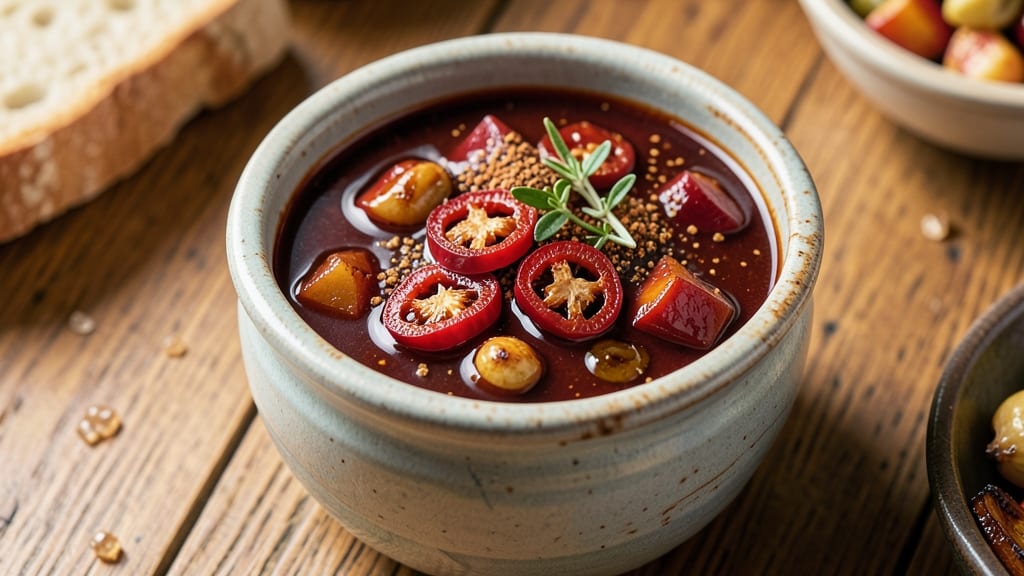
This apple ghost pepper hot sauce delivers a perfect balance of sweet, smoky heat that lingers like a culinary revelation. The secret lies in caramelizing apple chunks alongside ghost pepper—creating a sauce with depth that’s both fiery and complex.
I developed this recipe after years of experimenting with fruit-based hot sauces, and the ghost pepper’s extreme heat (1,041,427 Scoville units) transforms simple apples into something extraordinary.
The process begins with carefully caramelizing apple pieces until they’re tender and golden, then blending them with fermented ghost pepper mash for a smooth, velvety texture. A touch of brown sugar enhances the natural sweetness, while apple cider vinegar preserves the vibrant color and tangy brightness.
Every batch delivers a sauce that’s bold, balanced, and addictively spicy—ideal for drizzling over tacos, grilled meats, or even pizza.
Safety is critical when handling ghost pepper—always wear gloves and avoid touching your face. The sauce ferments for 3–5 days, allowing flavors to meld while developing a rich, umami depth. Once ready, it stores for months in the fridge, making it perfect for gifting or stocking your pantry.
The result? A hot sauce that’s sweet, smoky, and dangerously spicy—but never overpowering.
Whether you’re a hot sauce enthusiast or just love bold flavors, this recipe delivers restaurant-quality heat with a fruity twist. The ghost pepper’s intensity pairs beautifully with the apple’s natural sweetness, creating a sauce that’s unexpectedly versatile—from cocktails to spicy marinades. Let’s get started on crafting yours.
Ingredients for apple ghost pepper hot sauce
Sweet apples meet ghost pepper's fiery punch—just eight ingredients for a sauce that's addictively bold.
| Ingredient | Amount | Notes |
|---|---|---|
| Red Apples 🍎 | 2 lb | Honeycrisp or Fuji preferred |
| Ghost Peppers 🌶️ | 3 whole | Wear gloves when handling |
| Apple Cider Vinegar 🍶 | 1 ½ cups | Raw, unfiltered preferred |
| Brown Sugar 🍚 | ½ cup | Light or dark variety |
| Garlic Cloves 🧄 | 4 cloves | Freshly minced for depth |
| Smoked Paprika 🌶️ | 1 tbsp | For smoky complexity |
| Salt 🧂 | 1 ½ tsp | Diamond Crystal preferred |
| Extra-Virgin Olive Oil 🫒 | ¼ cup | For richness and balance |
| Water 💧 | 1 cup | Filtered preferred |
The ghost pepper is the star here, so source it from a specialty spice shop—Penzeys or local Latin markets carry the freshest. Always wear gloves when handling it; the oils are volatile and can burn your skin. Apples should be firm but ripe—Honeycrisp or Fuji hold up best during caramelization. If you can't find ghost peppers, habanero plus Scotch bonnet (equal parts) mimics the heat profile, though the flavor won't be identical. The apple cider vinegar should be raw and unfiltered for tangy depth—Bragg or local orchard brands are my go-tos.
No smoked paprika? Regular paprika plus a pinch of liquid smoke works in a pinch, though it won't be as authentic. The brown sugar can be swapped for maple syrup or agave if you're avoiding refined sugar, though it'll alter the caramelization slightly. For a smoother sauce, blend in 1 tbsp of apple butter with the final mixture. If you're worried about the heat level, ferment the sauce for only 3 days instead of 5—flavor develops faster but the pepper's intensity mellows slightly.
This sauce ferments best in a sterilized glass jar with an airlock lid—keeps it safe for up to 6 months in the fridge. For gifting, use amber glass bottles to preserve color. The sauce thickens as it ferments, so thin with water if needed. Always taste before bottling—adjust sweetness with more brown sugar or heat with extra pepper mash. Portion into small jars for easy drizzling; a little goes a long way with this potent blend.
Why You'll Love This Recipe
- Five-Ingredient Magic: I swear, this sauce is the kind of recipe that makes you feel like a mad scientist—except instead of explosions, you get something ridiculously good. Just dice apples, toast garlic, toss in ghost peppers (carefully!), and let the vinegar do the work. No fancy techniques, no stress.
- Sweet Heat Balance: That first bite? It’s like biting into a crisp apple, then getting hit with a ghost pepper’s fiery punch—then the sweetness and tang of the vinegar and sugar pulling you back. Honestly, the way the brown sugar caramelizes just a little from the heat makes it taste like dessert first, hot sauce second.
- Game for All Occasions: Slather it on grilled chicken for dinner, drizzle it over pizza (yes, even on a Tuesday night), or use it to wake up a simple cheese plate. I’ve even poured it into marinades for ribs—trust me, the smoky-sweet-spicy combo is chef’s kiss. It’s the kind of sauce that makes you want to label jars with every use.
- Lasts Forever, Costs Almost Nothing: A single batch stretches for weeks, and the ingredients? Cheap as dirt. Ghost peppers are pricey, sure, but you only need a few—one pod stretches this sauce for months. Plus, it’s the kind of condiment that gets used up fast, so you’re never stuck with sad, forgotten leftovers. Budget-friendly and always useful.
Step-by-step instructions for apple ghost pepper hot sauce
Here's how to craft a balanced hot sauce where sweet caramelized apples meet ghost pepper heat.
Sterilize and Prepare the Apples
Quarter the 2 lb red apples, removing cores and seeds. Cut into even ½-inch chunks for consistent cooking. Place them in a large pot with the 1 cup water and bring to a boil over medium-high heat. Once boiling, immediately reduce to medium-low heat and simmer for 10-12 minutes until the apple pieces become tender when pierced with a fork.
This initial cooking softens the apples while preventing them from turning to mush later. I like to stir occasionally to ensure even cooking—you'll see the apple chunks develop a subtle translucency at the edges. Drain the apples, reserving the cooking liquid, and set both aside for the next step.
Caramelize the Apples
Return the drained apples to the same pot and add the 0.5 cup brown sugar. Stir well to coat the apple pieces completely. Cook over medium heat for 8-10 minutes, stirring frequently, until the apples develop a deep golden-brown caramelization and release a rich, fragrant aroma.
Here's where the magic happens—the sugar breaks down into caramel, creating that sweet backbone for your hot sauce. If the mixture looks too dry, add 2-3 tablespoons of the reserved apple cooking liquid to maintain moisture. The apples should be sticky and glossy when done, with visible caramelized edges.
Toast the Aromatics
While the apples caramelize, heat the 0.25 cup extra-virgin olive oil in a separate skillet over medium heat. Add the 4 cloves minced garlic and cook for 1-2 minutes until fragrant but not browned. Immediately add the 3 whole ghost peppers (seeds removed for less heat) and toast for 30 seconds—just enough to soften them slightly without burning.
I always remove the ghost pepper seeds first—this reduces the heat intensity while keeping the fruity complexity. The garlic should smell intensely aromatic, and the peppers will begin to release their signature heat. Transfer these to a blender or food processor along with the caramelized apples.
Blend the Base
Add the toasted aromatics to the caramelized apples in the blender. Pour in the 1.5 cups apple cider vinegar and blend until completely smooth. With the blender running, slowly drizzle in the 0.25 cup extra-virgin olive oil through the feed tube to emulsify properly. The mixture should be vibrant red-orange with a thick, syrupy consistency.
This blending step creates the foundation of your hot sauce. Taste at this stage—you should detect sweet caramel notes from the apples, smoky depth from the paprika (which we'll add next), and a subtle ghost pepper heat building in the background. The vinegar adds tangy brightness that balances everything.
Simmer and Season
Return the blended mixture to the pot and add the 1 tbsp smoked paprika and 1.5 tsp salt. Stir well to combine. Bring to a gentle simmer over medium-low heat and cook for 15-20 minutes, stirring occasionally, until the sauce thickens slightly and coats the back of a spoon.
The smoked paprika infuses its characteristic warmth while the salt enhances all the flavors. You'll notice the sauce reduce slightly in volume as it simmers, intensifying the flavors. The final texture should be thick enough to coat the back of a spoon but still pourable. Taste again and adjust seasoning—you may need an additional pinch of salt or sugar to achieve perfect balance.
Strain and Bottle
Let the hot sauce cool to room temperature, then strain it through a fine-mesh sieve into a clean jar, pressing gently on the solids to extract maximum flavor. The strained sauce should be smooth with no visible fiber. Seal the jar and refrigerate for at least 24 hours before using to allow flavors to fully meld.
This resting period is crucial—it lets the ghost pepper heat mellow slightly while the apple sweetness develops. The sauce will continue to improve for up to 2 weeks in the refrigerator. When ready to use, taste again and adjust heat or sweetness as needed. This hot sauce pairs beautifully with grilled meats, fried foods, or even as a finishing drizzle on tacos.
Pro Tips For Making Apple Ghost Pepper Hot Sauce
- Simmer Slow and Low: I learned this the hard way—ghost peppers release their heat and flavor best when simmered gently. After burning the first batch (and regretting it), I now keep the sauce at a bare simmer, just enough to see tiny bubbles. This prevents bitterness and keeps the apple sweetness intact.
- Seed and Mince Ghost Peppers: Ghost peppers are brutal when whole—even the seeds pack a punch. Remove seeds and membranes first, then finely mince the flesh (or pulse in a food processor) for even heat distribution. This isn’t just about safety; it’s about balance, so the apple’s fruitiness shines through.
- Peel and Core Apples First: Raw apple chunks turn mushy and cloudy the sauce if left whole. Peel, core, and dice them into ¼-inch pieces before cooking. This ensures they break down evenly, releasing natural pectin that thickens the sauce naturally—no weird gummy texture here.
- Strain for Smoothness: Unless you’re going for rustic texture, strain the finished sauce through a fine-mesh sieve or cheesecloth. This removes ghost pepper skins (which can make it gritty) and apple bits (unless you’re aiming for chunky). I skip this step sometimes, but the smooth version always gets rave reviews.
Common mistakes when making your apple ghost pepper hot sauce
Skipping the Fermentation
If you're new to fermenting hot sauces, you might be tempted to skip this crucial step. But fermentation isn't just about safety—it's what develops the sauce's complex, umami-rich depth. Without fermenting for 3-5 days, your sauce will taste flat and one-dimensional.
The ghost pepper's heat will also be sharper and less balanced. I recommend starting with a 3-day fermentation if you're nervous—it's enough to begin flavor development while keeping the heat more manageable. 🌱
Overcooking the Apples
Caramelizing the apples is where the sweet backbone of your sauce develops, but overdoing it turns them mushy and dull. Watch them closely—they should be tender but still hold their shape.
If you cook them too long, your sauce will have a grainy texture and lack the bright apple flavor you want. I find 8-10 minutes at medium heat is perfect. If your apples start breaking down too quickly, reduce the heat to low and stir more frequently. 🍎
Burning the Ghost Pepper
The ghost pepper's delicate flavors burn easily, turning bitter and harsh. When toasting them in the skillet, keep the heat at medium and limit cooking to just 30 seconds. Any longer, and you'll get a bitter, smoky flavor that overpowers the sauce.
I always remove the seeds first—this reduces the heat while preserving the pepper's fruity complexity. If you notice the peppers darkening too quickly, remove them immediately and proceed with blending. 🌶️
Ignoring the Resting Period
After straining, you might be eager to use your sauce right away, but resisting that urge is key. The 24-hour resting period in the fridge allows the ghost pepper heat to mellow slightly while the apple sweetness develops.
Skipping this step means your sauce will taste harsh and unbalanced. I always taste it after 24 hours and again after 48 hours—the flavor improves dramatically over time. Patience here makes all the difference. ⏳
Using Low-Quality Vinegar
The vinegar is what preserves your hot sauce and adds tangy brightness, so using cheap or filtered vinegar ruins the flavor. Always opt for raw, unfiltered apple cider vinegar—brands like Bragg or local orchard varieties work best.
The sediment and mother culture in raw vinegar add depth that you won't find in processed versions. If you're using white vinegar as a substitute, your sauce will lack complexity and taste sharp rather than balanced. 🍶
Mashing Instead of Blending
Some recipes suggest mashing the apples and peppers by hand, but this creates a chunky, uneven texture that won't blend smoothly. Using a blender or food processor ensures a silky, velvety consistency that coats perfectly.
For the smoothest sauce, blend until completely smooth, then emulsify with the olive oil while blending. If you're worried about seeds or fibers, strain the sauce through a fine-mesh sieve before bottling. 💫
Nutrition facts
Frequently asked questions
How do I adjust the heat level in this hot sauce?
The ghost pepper provides extreme heat (1,041,427 Scoville units), but you can control intensity by adjusting pepper quantity or fermentation time. For milder heat, use only 2 ghost peppers or ferment for just 3 days instead of 5. For extra spice, add 1 extra pepper or ferment up to 7 days—just taste frequently to avoid overpowering the sweet apple flavor.
Can I substitute ghost pepper with other hot peppers?
Yes, but expect different flavor profiles. For similar heat, blend 1 habanero + 1 Scotch bonnet (equal parts). For milder heat, use 2-3 red jalapeños or 1 serrano pepper. Remember: ghost pepper has a unique fruity complexity—substitutes won't perfectly replicate it. Always remove seeds to reduce heat intensity.
How long does this hot sauce keep, and how should I store it?
Properly stored, this sauce lasts 6-8 months in the fridge. Use sterilized glass jars with airtight lids to prevent contamination. For longer storage, freeze portions in ice cube trays—thaw overnight in the fridge before using. The sauce may thicken slightly when refrigerated; stir well before each use or thin with 1 tsp water per 2 tbsp sauce.
What are the best ways to use this hot sauce?
This versatile sauce elevates everything! Drizzle over tacos, grilled meats, or fried chicken for instant flavor. Stir into cocktails (try margaritas or Bloody Marys) for a sweet-spicy kick. Use as a marinade for pork or shrimp, or mix into mayonnaise for spicy deviled eggs. The caramelized apple notes make it surprisingly great on pizza or pasta too!
Why does my sauce look cloudy after fermentation?
Cloudiness is normal and indicates fermentation activity! The yeast and bacteria working in your sauce create natural turbidity. To clarify, strain through a cheesecloth-lined sieve or use a fine-mesh strainer. For extra smoothness, blend again after straining. If the cloudiness is accompanied by an off smell, discard the batch—this could indicate spoilage.