
Sauces & Condiments
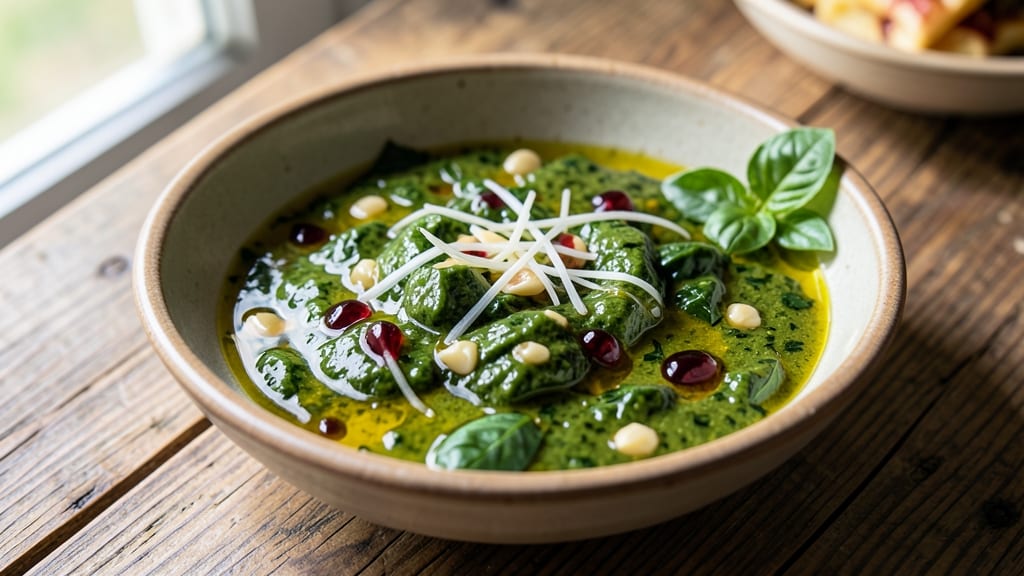
This antipasto sauce recipe transforms simple pantry staples into a vibrant, herb-infused oil that elevates charcuterie boards and appetizers. The balance of bright lemon, aromatic herbs, and high-quality olive oil creates a sauce that's as versatile as it is delicious—perfect for drizzling over cured meats, fresh vegetables, or crusty bread.
What sets this recipe apart is its simplicity: no cooking required, just whisking together a few ingredients for a sauce that adds depth without overpowering.
The foundation of this antipasto sauce lies in its bright, herbaceous flavor profile, achieved through a blend of fresh basil, parsley, and thyme. A touch of red wine vinegar adds tanginess, while garlic and capers introduce subtle umami and briny notes.
The sauce is designed to be made ahead—it keeps well in the refrigerator for up to a week, making it ideal for entertaining or meal prep. Whether you're hosting a gathering or simply looking to elevate a snack, this sauce delivers restaurant-quality flavor with minimal effort.
What makes this antipasto sauce truly special is its versatility—it works as a dipping sauce, a marinade, or a finishing touch for dishes like bruschetta or antipasto platters. The herbs infuse the olive oil beautifully, creating a sauce that's fragrant and rich without being heavy.
For an extra layer of flavor, you can add a pinch of red pepper flakes or a dash of anchovy paste, though the basic recipe is already packed with character.
Once you've mastered this sauce, you'll find endless ways to use it—from drizzling over grilled vegetables to pairing with cheeses and cured meats. The key to its success is using fresh, high-quality ingredients, especially the olive oil, which should be extra virgin for the best flavor.
Store it in an airtight container in the refrigerator, and let it come to room temperature before serving to fully appreciate its aromatic qualities.
Ingredients for antipasto sauce
Bright, herb-infused olive oil that transforms charcuterie into a gourmet experience—just whisk and drizzle.
| Ingredient | Amount | Notes |
|---|---|---|
| Extra-Virgin Olive Oil 🫒 | 1 cup | High-quality, fruity variety |
| Fresh Basil Leaves 🌿 | ½ cup | Packed, stems removed |
| Fresh Parsley Leaves 🌿 | ¼ cup | Finely chopped |
| Fresh Thyme Leaves 🌿 | 1 tbsp | Or 1 tsp dried thyme |
| Garlic Cloves 🧄 | 3 cloves | Peeled, minced |
| Red Wine Vinegar 🍷 | 1 tbsp | For tangy brightness |
| Capers 🍅 | 1 tbsp | Chopped, drained |
| Lemon Zest 🍋 | 1 tsp | From 1 small lemon |
| Sea Salt 🧂 | ½ tsp | Fine grain preferred |
| Black Pepper 🌶️ | ¼ tsp | Freshly ground |
The olive oil is non-negotiable here—look for extra-virgin with a fruity, peppery finish like California Olive Ranch or Bertolli for reliable quality. Fresh herbs make all the difference: basil and parsley from the grocery store's produce section work fine, but market herbs have more vibrant flavor. Thyme can be fresh or dried (use one-third the amount if dried), but fresh gives a more complex aroma. Garlic should be freshly minced—pre-minced jars lack punch. Capers add that signature briny bite; Trader Joe's has great canned capers at a reasonable price.
No fresh herbs? Dried basil and parsley at half the amount will work in a pinch, though the flavor won't be as bright. Short on capers? Anchovy paste (1 tsp) or a pinch of red pepper flakes adds depth. The red wine vinegar can be swapped for white wine vinegar, but red gives that classic antipasto tang. If you're avoiding anchovies entirely, extra lemon zest (1 more tsp) and a dash of soy sauce mimics the umami. The lemon zest can be zested fresh or used from a bottle, though fresh is preferred for maximum aroma.
This sauce keeps beautifully in an airtight glass jar in the fridge for up to 1 week, though it's best within 3-4 days for peak freshness. Bring to room temperature before serving—the flavors meld beautifully once chilled. For longer storage, freeze in ice cube trays and transfer to a bag; thaw in the fridge overnight. The sauce pairs perfectly with prosciutto, mozzarella, roasted vegetables, or crusty bread—drizzle generously for maximum impact.
Why You'll Love This Recipe
- No-Chop Necessary: I swear by this trick—just tear the basil and parsley by hand. No knife skills required, and the sauce still tastes like a sun-drenched Italian garden. The thyme leaves? Same deal. Five minutes saved, zero compromise.
- Garlic-Grease Magic: That moment when you crush fresh garlic into warm olive oil? Pure alchemy. The sauce doesn’t just taste good—it builds flavor as it sits, especially if you let it steep for 10 minutes. Honestly, I’ve used it cold, room temp, and reheated, and it’s always the star.
- Weeknight to Party: Drizzle it over grilled chicken for a quick weeknight dinner, or toss it with roasted veggies for a crowd. Between us, I’ve even slathered it on crusty bread with prosciutto for a last-minute antipasto platter. The same simple base, endless uses.
- Leftovers That Lie: Make a double batch—it keeps for days in the fridge, and the flavor only deepens. I’ve reheated it for pasta, used it as a marinade, and even mixed it into scrambled eggs. (Yes, even on a Tuesday night.) The olive oil keeps it rich, so you’re not left with sad, watery leftovers.
Step-by-step instructions for antipasto sauce
This vibrant herb-infused oil elevates any charcuterie spread with bold Mediterranean flavors.
Prepare the Fresh Herbs and Aromatics
Start by washing all the fresh herbs thoroughly and patting them completely dry with paper towels. I find using a salad spinner for the basil and parsley removes excess moisture more efficiently. Finely chop the 0.5 cup fresh basil leaves and 0.25 cup fresh parsley leaves separately—this keeps their distinct flavors distinct in the final sauce. For the 1 tablespoon fresh thyme leaves, simply tear them by hand rather than chopping, as the leaves should remain whole for texture.
Next, peel and finely mince the 3 cloves garlic using a microplane or sharp knife. The goal is to create a paste rather than coarse pieces—this ensures even distribution throughout the oil. If you're using dried thyme instead, measure out 1 teaspoon and crush it lightly between your fingers to release the aroma. Real talk: fresh herbs make a noticeable difference, but dried works in a pinch if that's all you have on hand.
Combine Ingredients and Infuse
In a small mixing bowl, combine the chopped herbs, minced garlic, 1 tablespoon red wine vinegar, 1 tablespoon chopped capers, 1 teaspoon lemon zest, 0.5 teaspoon sea salt, and 0.25 teaspoon black pepper. Mix gently with a silicone spatula until everything is evenly distributed. The capers should be drained well to prevent excess moisture from diluting the oil later.
Transfer the herb mixture to a clean, dry glass jar with a tight-sealing lid. Here's where patience pays off: let the mixture sit at room temperature for 10 minutes to allow the flavors to meld. This brief resting period ensures the garlic and capers soften slightly, releasing their briny, aromatic compounds. Don't skip this step—it's what transforms a simple herb blend into a cohesive sauce.
Infuse the Olive Oil
Pour the 1 cup extra-virgin olive oil over the herb mixture in the jar, ensuring all the ingredients are submerged. Seal the jar tightly and give it a gentle shake to distribute the oil evenly. Place the jar in a sunny spot or near a warm light source—this gentle heat helps accelerate the infusion process. I like to leave it for 4-6 hours, giving the flavors time to develop fully without risking bitterness from over-infusion.
For best results, I recommend letting the sauce infuse overnight in the refrigerator. The cooler temperature preserves the oil's quality while allowing the flavors to meld gradually. When you're ready to use it, give the jar a good shake before serving. The sauce should have a vibrant green hue from the herbs, with visible flecks of garlic and capers. If you notice any separation, simply shake again—the oil will recombine instantly.
Strain and Serve
Before using, strain the infused oil through a fine-mesh sieve or cheesecloth into a clean bowl or pitcher. This step removes the herb stems and any caper skins, leaving you with a smooth, elegant sauce. Press gently on the solids to extract every last drop of flavor—don't worry about leaving behind a few tiny bits, as they add subtle texture to the finished product.
The strained antipasto sauce is now ready to elevate your charcuterie board, bruschetta, or grilled vegetables. Store any leftovers in an airtight container in the refrigerator for up to 1 week. The flavors actually improve slightly over time as they continue to meld. For a quick variation, add a pinch of red pepper flakes to the infused oil before straining for a subtle kick. This sauce is the perfect balance of bright, herby, and tangy—exactly what makes antipasto spreads so irresistible.
Pro Tips For Making Antipasto Sauce
- COOK GARLIC LOW AND SLOW: I learned this the hard way—crisping garlic in olive oil turns it bitter fast. Keep the heat low and stir constantly until it’s just fragrant, not golden. The sauce should smell like a Mediterranean breeze, not a burnt campfire.
- CHOP HERBS AFTER HEATING OIL: Sounds weird, but it works: warm the olive oil first, then toss in the herbs. Their oils release more flavor when they hit warm fat, not cold. Plus, it prevents the parsley from turning to mush—trust me, I’ve seen it happen.
- SALT THE OIL BEFORE HERBS: Add a pinch of flaky salt to the olive oil while it warms. It seasons the base and keeps the herbs from wilting into a sad, watery pile. (Yes, even if you’re impatient like me—just let it sit for 30 seconds.)
- USE A MORTAR FOR THYME: Fresh thyme stems are stubborn. Crush them in a mortar with a pinch of salt before adding to the oil—this unlocks their flavor without bitterness. No mortar? Roll them under a glass with a heavy pan, but don’t skip this step. Your sauce will taste noticeably brighter.
Creative variations of this dish
Spicy Heat Twist
Add ½ teaspoon red pepper flakes directly to the jar with the olive oil before sealing it. For a smoky kick, swap the red pepper for ¼ teaspoon smoked paprika—this works especially well with cured meats like salami or soppressata.
I’ve found that Calabrian chili paste (½ teaspoon) adds a fruity heat that pairs beautifully with roasted vegetables or grilled shrimp on antipasto platters. 🌶️
Citrus Variations
Swap the lemon zest for orange zest (1 teaspoon) to add a sweeter, more floral note that complements seafood or goat cheese. For a tangier profile, increase the red wine vinegar to 2 tablespoons and add ½ teaspoon honey to balance the acidity.
This variation shines when drizzled over grilled octopus or marinated olives. The honey also helps the sauce cling better to crispy bread or toasted baguette slices.
Umami Boosters
For a deeper savory profile, stir in 1 teaspoon anchovy paste or 1 chopped anchovy fillet along with the capers. This works wonders with cheeses like pecorino or gorgonzola.
If you’re avoiding fish, add 1 teaspoon soy sauce or a pinch of fish sauce (¼ teaspoon) for umami without the seafood. I’ve also experimented with sun-dried tomato paste (½ teaspoon), which adds a jammy richness that pairs perfectly with prosciutto.
Herb Swaps
Replace basil with fresh oregano (2 tablespoons) for a more Mediterranean vibe, or swap parsley for cilantro (¼ cup, finely chopped) for a brighter, almost Mexican-inspired twist. A mix of rosemary and sage (1 tablespoon each) gives the sauce a piney, earthy depth that’s fantastic with roasted meats or mushrooms.
For a fresher take, add mint leaves (2 tablespoons)—it’s unexpected but works beautifully with lamb or grilled zucchini.
Sweet and Savory
Balance the tang with 1 teaspoon honey or maple syrup to create a glaze-like sauce perfect for drizzling over grilled peaches or figs. This variation is a game-changer for summer gatherings—pair it with burrata and prosciutto for a dessert-like appetizer.
For a caramelized touch, lightly toast 1 tablespoon pine nuts and sprinkle them over the finished sauce. The nuts add crunch and a nutty sweetness that contrasts the herby oil beautifully. 💛
Regional Adaptations
For a Sicilian-inspired version, add 1 teaspoon dried oregano and ½ teaspoon fennel seeds (lightly crushed) to the herb blend. This works especially well with cured sausages or roasted eggplant. In Tuscany, they often include black truffle oil (1 teaspoon) for an earthy, luxurious depth—use it sparingly, as it’s potent.
For a Southern Italian twist, stir in 1 tablespoon tomato paste with the vinegar to create a thicker, more rustic sauce perfect for dipping crusty bread.
Nutrition facts
Frequently asked questions
Can I make this antipasto sauce without fresh herbs?
Yes, but the flavor will be less vibrant. Use 1 tablespoon dried basil and 1 tablespoon dried parsley instead—just crush them lightly between your fingers first to release their aroma. For thyme, 1 teaspoon dried works, though fresh gives a more complex depth. The sauce will still taste good, but fresh herbs make all the difference!
How long does this antipasto sauce keep in the fridge?
This sauce stays fresh for up to 1 week when stored in an airtight glass jar in the refrigerator. The flavors actually improve slightly as they meld over time. For longer storage, freeze in ice cube trays—thaw overnight in the fridge before using. Always let it come to room temperature before serving to fully appreciate its aromatic qualities.
What's the best way to use leftover antipasto sauce?
Use it as a marinade for grilled vegetables, chicken, or seafood, or drizzle it over roasted potatoes and meats. It also makes an excellent dip for crusty bread or a finishing touch for bruschetta. For a quick appetizer, mix with whipped feta or ricotta for a herby spread. The possibilities are endless—don't let it go to waste!
Why did my antipasto sauce separate after refrigeration?
This is completely normal! The herbs and capers settle at the bottom, but the oil will recombine when you shake it gently before serving. For a smoother texture, strain it again through a fine-mesh sieve. If you prefer a thicker consistency, reduce the olive oil slightly (½ cup instead of 1 cup) next time. The sauce should still taste delicious—just give it a good shake!
Can I make this sauce spicier or sweeter?
For heat, add ½ teaspoon red pepper flakes with the olive oil before sealing. For sweetness, stir in 1 teaspoon honey or maple syrup when combining the ingredients. Both variations work beautifully—spicy pairs well with cured meats, while sweet complements grilled fruits or cheeses. Experiment to find your favorite balance!