
Sauces & Condiments
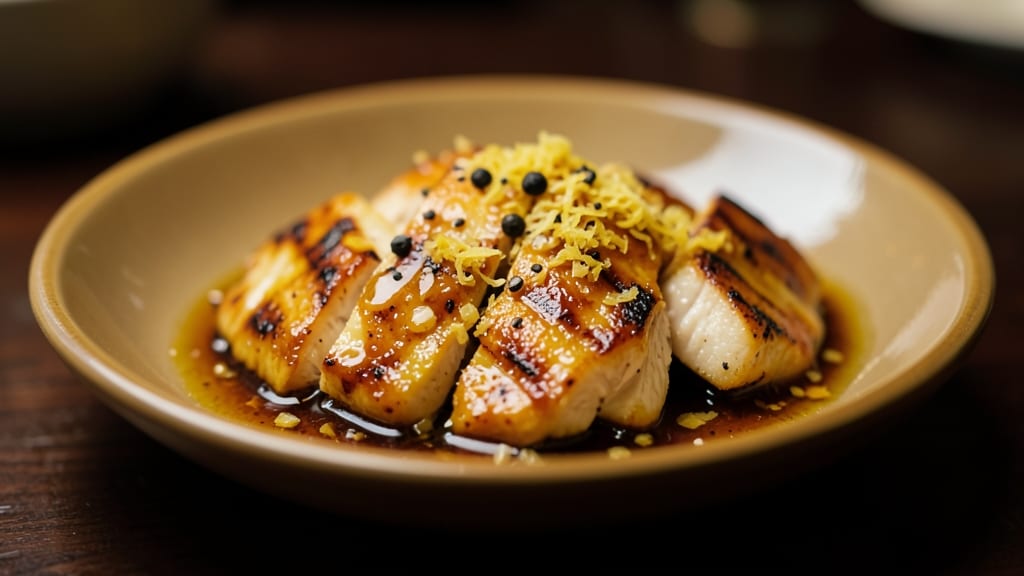
This anti-inflammatory teriyaki sauce transforms grilled proteins into vibrant, health-boosting masterpieces—packed with ginger, turmeric, and pineapple for natural healing power. 🌿 The golden-hued sauce delivers bold umami flavors while reducing inflammation, making it perfect for anyone seeking both taste and wellness benefits.
Unlike store-bought versions loaded with sugar and preservatives, this recipe uses whole ingredients to create a sauce that’s as nourishing as it is delicious.
The secret lies in the ginger-turmeric base, which provides potent anti-inflammatory compounds while balancing the sauce’s sweetness. Garlic and pineapple add depth and natural sweetness, eliminating the need for refined sugar.
This sauce isn’t just for grilled chicken or salmon—it elevates tofu, roasted vegetables, and even noodles with its rich, tangy-sweet profile. The best part? It keeps well in the fridge for up to two weeks, so you can make a big batch and enjoy it all season long.
What sets this teriyaki sauce apart is its dual purpose: it’s a flavor powerhouse and a health ally. The turmeric lends its signature golden glow while delivering curcumin, a compound known for reducing inflammation.
Pineapple contributes bromelain, an enzyme that aids digestion, and ginger adds warmth and zing. Together, they create a sauce that’s as good for your body as it is for your taste buds.
Ready in just 15 minutes with simple pantry staples, this sauce is ideal for meal prep or last-minute cooking. Whether you’re grilling for a summer barbecue or whipping up a quick weeknight dinner, this anti-inflammatory teriyaki sauce will turn ordinary meals into something extraordinary. Let’s get started!
Ingredients for anti inflammatory teriyaki sauce
Golden-hued, vibrant sauce with anti-inflammatory power—just 10 ingredients for bold umami flavors.
| Ingredient | Amount | Notes |
|---|---|---|
| Fresh Ginger Root 🌿 | 2 tbsp | Finely grated, aromatic |
| Fresh Turmeric Root 🌿 | 1 tbsp | Finely grated, vibrant |
| Fresh Garlic Cloves 🧄 | 4 cloves | Minced, pungent |
| Pineapple Juice 🍍 | ½ cup | Freshly squeezed, tart |
| Coconut Aminos 🥄 | ⅓ cup | Soy-free alternative |
| Extra-Virgin Olive Oil 🫒 | ¼ cup | Rich, fruity |
| Raw Honey 🍯 | 2 tbsp | Local, unprocessed |
| Sesame Oil 🌾 | 1 tbsp | Toasted, nutty |
| Black Peppercorns 🌶️ | ½ tsp | Freshly cracked |
| Ground Black Pepper 🌶️ | ¼ tsp | Freshly ground |
The ginger and turmeric roots are where the magic happens. Fresh is non-negotiable here—dried versions lack the potent anti-inflammatory compounds. For the best quality, grab organic roots from Whole Foods or local farmers markets. Look for ginger with tight, smooth skin and turmeric that’s bright orange inside. If you can’t find fresh turmeric root, high-quality ground turmeric works in a pinch, but it won’t have the same depth of flavor. The pineapple juice should be freshly squeezed—canned versions often contain added sugars that defeat the purpose of this health-focused recipe.
No coconut aminos? Low-sodium soy sauce or tamari works, but you’ll lose the subtle coconut sweetness. Swap raw honey for maple syrup or agave nectar if needed, though honey adds a unique floral note that’s hard to replicate. For a deeper umami punch, add 1 tsp of miso paste to the mix. Sesame oil can be substituted with toasted sesame seeds at half the amount, but the oil gives that signature nutty aroma. The black pepper isn’t just for flavor—it enhances turmeric absorption by up to 2000% (trust me on this).
This sauce keeps beautifully in an airtight glass jar in the fridge for up to 2 weeks. For longer storage, freeze it in ice cube trays—perfect for single-use portions. The flavor actually improves after the first day as the ingredients meld together. If you notice the color fading, just add a pinch more turmeric before using. I always double the batch because it disappears faster than you’d think—great for meal prep or gifting. The sauce thickens as it cools, so give it a quick whisk before using if it seems too stiff.
Why You'll Love This Recipe
- No-Stress Simmer: I swear by this sauce because it’s literally one pot, 15 minutes max. Just peel the ginger and turmeric, smash the garlic, and let it bubble—no blender, no fuss. Honestly, I’ve made it while waiting for chicken to thaw.
- Sweet Heat Balance: That pineapple juice cuts through the ginger’s bite while coconut aminos add depth—like a teriyaki but with a golden glow. The garlic? It caramelizes into something ridiculously good when simmered low.
- Meal Prep MVP: I keep a jar in the fridge for stir-fries, grilled fish, or even drizzled over roasted veggies. It’s the only sauce that turns a random Tuesday into “dinner party vibes” without effort.
- Budget-Friendly Boost: Fresh roots last weeks in the freezer, and coconut aminos stretch this sauce far—enough for 3 meals with leftovers that taste better the next day. Between us, this is how I feed my family for under $5.
Step-by-step instructions for anti-inflammatory teriyaki sauce
This vibrant sauce comes together in minutes with bold flavors and powerful anti-inflammatory benefits.
🍳 Step 1: Bloom the Spices in Olive Oil
Heat the 0.25 cup extra-virgin olive oil in a medium saucepan over medium-low heat. Add the 0.5 tsp freshly cracked black peppercorns and let them sizzle gently for 30 seconds until fragrant. This step awakens their aroma without burning them.
Next, add the 2 tbsp finely grated fresh ginger root and 1 tbsp finely grated fresh turmeric root. Stir constantly for 1-2 minutes until the ginger softens slightly and the mixture turns a vibrant golden-orange. You'll notice the spices release their essential oils—this is when the sauce starts building its signature glow. Keep the heat low to prevent burning the delicate turmeric.
🍳 Step 2: Add Garlic and Toast the Aromatics
Push the spice mixture to the sides of the pan and add the 4 minced garlic cloves. Let them sizzle for 30 seconds until fragrant but not browned—this prevents bitterness. Stir them into the spice mixture and cook for another 1 minute until everything is well combined and smells like a warm spice market.
Here's the thing—garlic burns faster than you think. Watch it closely and remove from heat if it starts to darken. The goal is to enhance the flavors without creating harsh notes that'll overpower the delicate balance we're building.
🥘 Step 3: Build the Sauce Base
Pour in the 0.5 cup freshly squeezed pineapple juice and 0.33 cup coconut aminos. Stir well to deglaze the pan, scraping up any browned bits from the bottom—these contain concentrated flavor. Bring the mixture to a gentle simmer over medium heat, then reduce heat to low.
Let it simmer uncovered for 5-7 minutes until the liquid reduces by about one-third and the sauce begins to thicken slightly. You're looking for a consistency that coats the back of a spoon but isn't syrupy yet. This reduction concentrates the flavors while preserving the natural sweetness of the pineapple.
🍯 Step 4: Sweeten and Finish
Remove the pan from heat and stir in the 2 tbsp raw honey and 1 tbsp toasted sesame oil. The honey will dissolve immediately, while the sesame oil adds a nutty depth that ties everything together. Taste the sauce and adjust seasoning if needed—add a pinch of the 0.25 tsp ground black pepper if it needs more zip.
For best results, let the sauce rest for 10 minutes before using. This allows the flavors to meld completely. The sauce should have a beautiful golden-orange hue from the turmeric, with a balance of sweet, tangy, and umami notes that'll make your grilled proteins shine.
⏰ Step 5: Strain and Store
For a silky-smooth sauce, strain it through a fine-mesh sieve into a clean jar, pressing on the solids to extract all the flavor. If you prefer a slightly textured sauce, skip the straining. The sauce will keep in the refrigerator for up to 1 week or can be frozen for 3 months—just thaw overnight in the fridge before using.
This sauce transforms grilled chicken, salmon, or tofu into restaurant-quality dishes while delivering anti-inflammatory benefits from the fresh ginger, turmeric, and pineapple. The coconut aminos add umami depth without the soy, making this a versatile, health-focused alternative to traditional teriyaki.
Pro Tips For Making Anti Inflammatory Teriyaki Sauce
- GRATE THE GINGER FINE: Fresh ginger loses its kick when it’s chunky—this sauce needs its zing. Use the smallest holes on your grater or pulse it in a food processor for 2-3 seconds, then stop. Over-processing turns it into paste, which can make the sauce taste bitter.
- PEEL TURMERIC LIKE AN ONION: Turmeric’s skin is tough and bitter—don’t just scrape it. Hold the root under cool running water, then peel it lengthwise with a spoon like you’re shucking an onion. Wet turmeric peels right off, and you’ll get every last bit of golden goodness.
- SIMMER LOW AND SLOW: This isn’t a race. After adding garlic and ginger, reduce heat to medium-low and let the sauce bubble gently for at least 15 minutes. Rushing it makes the pineapple juice turn cloudy and dulls the turmeric’s warmth—patience here makes all the difference.
- STRAIN THE GARLIC: Raw garlic burns easily and can turn bitter in this sauce. After mincing, toss it into a fine-mesh strainer, press it with a spoon, and let the oils drain for 30 seconds. This removes harsh bits and keeps the flavor smooth—no one wants garlic chunks in their teriyaki.
Serving suggestions for anti inflammatory teriyaki sauce
Grilled Protein Pairings
This golden teriyaki sauce shines brightest on grilled proteins like salmon or chicken breast. Brush 2 tbsp onto each filet 5 minutes before the final minute of grilling at 400°F. The sauce caramelizes beautifully, creating a sticky glaze that locks in juices.
For extra flavor, marinate the protein in 1 tbsp sauce + 1 tbsp olive oil for 30 minutes before grilling. 🔥
Don’t overlook shrimp skewers—toss 1 lb peeled shrimp with 1 tbsp sauce and grill for 2-3 minutes per side until pink. The natural sweetness of the pineapple pairs perfectly with shrimp’s delicate flavor.
For a vegetarian option, use extra-firm tofu pressed for 20 minutes, then marinated in 2 tbsp sauce for 15 minutes before grilling.
Roasted Vegetable Glazes
Transform roasted vegetables into a vibrant side dish by tossing them in 1 tbsp sauce after roasting. Try asparagus, Brussels sprouts, or sweet potatoes—roast at 400°F for 20-25 minutes, then drizzle with sauce and a sprinkle of toasted sesame seeds.
The turmeric’s golden hue makes even simple veggies look gourmet. 🌱
For portobello mushrooms, brush with 1 tbsp sauce and grill for 4-5 minutes per side until tender. The umami-rich sauce complements the earthy mushrooms perfectly. Pair with a side of quinoa or brown rice for a complete, balanced meal.
Noodle and Rice Bowls
Elevate rice noodles or jasmine rice by tossing them with 1-2 tbsp sauce after cooking. Add steamed bok choy, shredded carrots, and sliced scallions for a fresh, vibrant bowl. The pineapple’s tang balances the rice’s mild flavor, while the ginger adds a warming kick. 🍜
For ramen or soba noodles, use 2 tbsp sauce per serving and top with soft-boiled eggs, avocado slices, and cilantro. The sauce’s natural sweetness enhances the noodles’ texture without overpowering them. Serve with pickled ginger on the side for a traditional touch.
Breakfast Applications
Start your day with sauce-glazed eggs—whisk 1 tbsp sauce into scrambled eggs or drizzle over poached eggs for a savory-sweet twist. The anti-inflammatory spices give your breakfast a healthful boost. Pair with whole-grain toast or avocado toast for a satisfying meal. 🍳
Use the sauce as a dipping sauce for toasted bagels or English muffins—spread with cream cheese and top with smoked salmon or turkey slices. The combination of turmeric and garlic adds depth that transforms a simple breakfast into something special.
Meal Prep Hacks
Double the batch and store in glass jars for easy meal prep. Use 1 tbsp per serving to glaze pre-cooked proteins like rotisserie chicken or grilled tofu. Reheat gently in a pan over low heat to maintain the sauce’s vibrant color and flavor. 📅
Freeze extra sauce in ice cube trays for portion control—thaw overnight in the fridge before using. This works perfectly for weeknight stir-fries or as a quick glaze for weekend grilling. The sauce’s versatility makes it a pantry staple worth making in bulk.
Nutrition facts
Frequently asked questions
Can I make this sauce without fresh ginger and turmeric roots?
Yes! Use 1 tbsp ground ginger and 1 tbsp ground turmeric instead, but the flavor won't be as vibrant or potent. For maximum anti-inflammatory benefits, fresh roots are ideal—they contain higher concentrations of active compounds. If you're in a pinch, add an extra ½ tsp black pepper to boost turmeric absorption.
How does this sauce compare to traditional teriyaki?
This version is naturally sweeter (thanks to pineapple juice and honey) and has a brighter, more aromatic profile from the fresh ginger and turmeric. Traditional teriyaki often relies on sugar and soy sauce for sweetness, while this one uses coconut aminos and natural ingredients. The anti-inflammatory spices give it a warm, slightly earthy depth that sets it apart.
Can I use this sauce for marinades?
Use ¼ cup sauce + ¼ cup olive oil for a 30-minute marinade for chicken, fish, or tofu. The acidity in pineapple helps tenderize proteins, while the ginger and garlic add incredible flavor. For best results, marinate in the fridge and pat proteins dry before cooking to ensure proper searing. Never marinate for longer than 2 hours with raw meat.
Will this sauce work with stir-fries?
Perfectly! Add 1-2 tbsp sauce during the last 2 minutes of stir-frying to let it caramelize slightly. The sauce's natural sweetness balances the heat of stir-fry vegetables like bell peppers or broccoli. For extra shine, finish with a drizzle of sesame oil. The sauce thickens when chilled, so thin with a splash of water if needed for stir-fry consistency.
Can I make this sauce vegan?
Yes—simply replace the raw honey with maple syrup or agave nectar and ensure your coconut aminos are certified vegan. The rest of the ingredients are already plant-based. The sauce will maintain all its anti-inflammatory benefits while being completely cruelty-free. The flavor remains rich and complex with these substitutions.