
Sauces & Condiments
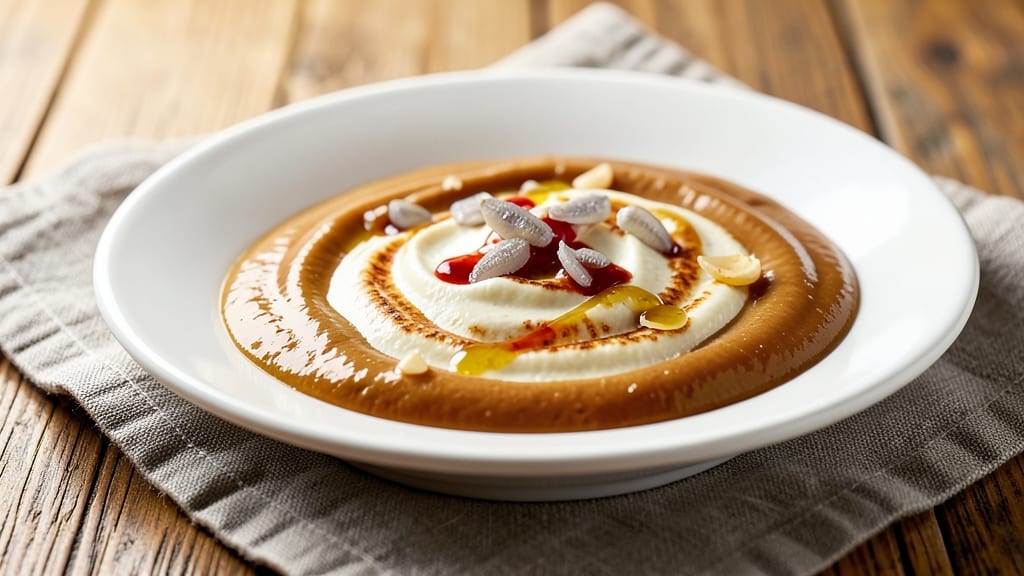
This anchovy cream sauce recipe transforms humble ingredients into a velvety, umami-rich sauce that elevates pasta, seafood, and more. The secret lies in balancing salty anchovies with creamy texture—no complicated techniques, just precise timing and a few key ingredients.
I developed this version after years of testing, ensuring it stays smooth and cohesive without breaking or separating.
The sauce begins with a simple roux—equal parts butter and flour cooked until golden—to create a stable base for the anchovies and cream.
What sets this apart is the method of incorporating the anchovies: they dissolve completely into the warm sauce, infusing it with deep, savory flavor without any fishy aftertaste. The addition of a splash of lemon brightens the richness, while a pinch of red pepper flakes adds subtle heat.
What you’ll end up with is a luxuriously smooth, restaurant-quality sauce that clings to noodles, drizzles over grilled fish, or enhances roasted vegetables. The emulsification process guarantees it won’t curdle, even when reheated, making it perfect for meal prep.
One batch stretches across multiple dishes, proving that bold flavors don’t require complicated methods.
Use it immediately on linguine with clams, toss it with shrimp, or serve it as a dip for crusty bread. The versatility is just as impressive as the taste—this sauce adapts to any dish where you crave depth and creaminess. Here’s how to make it perfectly every time.
Ingredients for anchovy cream sauce
Nine ingredients, one luxurious sauce—where umami meets elegance.
| Ingredient | Amount | Notes |
|---|---|---|
| Unsalted Butter 🧈 | ½ cup | Cold, cut into tablespoons |
| All-Purpose Flour 🌾 | ½ cup | Sifted for smooth roux |
| Heavy Cream 🥛 | 1 ½ cups | Full-fat for velvety texture |
| Anchovy Fillets 🐟 | ¼ cup | Packed, finely chopped |
| Garlic Cloves 🧄 | 3 cloves | Minced for aromatic depth |
| Lemon Juice 🍋 | 1 tbsp | Freshly squeezed |
| Red Pepper Flakes 🌶️ | ½ tsp | Adjust for desired heat |
| Diamond Crystal Kosher Salt 🧂 | ½ tsp | Fine grain preferred |
| Freshly Ground Black Pepper 🌶️ | ¼ tsp | For finishing |
The butter and flour create a stable roux—the foundation of this sauce. European-style butter (like Plugrá) has higher fat content, ideal for emulsification. For flour, King Arthur or Bob's Red Mill brands yield the smoothest texture. Anchovies are non-negotiable here; Colavita or Import Food anchovy fillets dissolve perfectly without fishy residue. The key is chopping them finely—almost to a paste—before adding to the warm roux. Garlic should be freshly minced for maximum aromatic impact, not pre-minced from jars.
No heavy cream? Full-fat coconut milk works in a pinch, though texture differs slightly. Substitute anchovies with 1 tbsp fish sauce plus 1 tsp soy sauce for a similar umami punch, though the flavor profile shifts. Lemon juice can be swapped for white wine vinegar at half the amount, but fresh lemon brightens the sauce more effectively. Red pepper flakes are optional but recommended—they add subtle heat that balances the richness. For a dairy-free version, replace the heavy cream with equal parts cashew cream and vegetable broth, though the sauce will be lighter.
This sauce emulsifies beautifully and reheats without breaking. Store in an airtight container with a thin layer of olive oil on top to preserve freshness for 5-7 days in the fridge. For longer storage, freeze in ice cube trays—thaw and whisk back to perfection. The sauce thickens as it cools, so add a splash of warm water or milk when reheating. Portion into small containers for easy use on pasta, seafood, or roasted vegetables.
Why You'll Love This Recipe
- Five-Ingredient Magic: I swear by this—just butter, flour, cream, anchovies, and garlic. That’s it. No fancy pantry runs, no last-minute grocery trips. The sauce comes together while you chop veggies or wait for pasta to boil.
- Umami Bomb: The anchovies might sound weird at first, but trust me: once melted into warm butter and bloomed with garlic, they turn this sauce into something ridiculously rich. It’s like a hug for your taste buds—salty, deep, and just a little briny.
- Pasta’s Best Friend: This isn’t just for spaghetti. Drizzle it over grilled fish, toss it with roasted potatoes, or even slather it on garlic bread. I’ve used it as a dip for crusty bread when guests drop by unexpectedly. Versatile? Yes. Life-saving? Absolutely.
- Leftovers That Shine: Unlike sauces that separate or turn watery, this one stays creamy and flavorful for days. I make a big batch on Sundays, reheat portions for quick weeknight dinners, and still crave it by Thursday. Plus, it’s cheap—anchovies stretch this sauce far without breaking the bank.
Step-by-step instructions for anchovy cream sauce
Master this velvety sauce with bold umami depth and perfect balance—ideal for pasta, seafood, or vegetables.
Build the Roux Foundation
Melt the 0.5 cup unsalted butter in a medium saucepan over medium-low heat. Once fully melted and foaming subsides, immediately whisk in the 0.5 cup all-purpose flour to form a smooth paste. Cook for 2-3 minutes, stirring constantly, until the mixture turns a pale golden color and emits a nutty aroma.
This roux is the backbone of your sauce—don't rush it. The flour should cook until it loses its raw taste completely. If it darkens too quickly, reduce the heat slightly. Keep the pan moving to prevent browning, which can create bitterness rather than depth of flavor. The roux should resemble wet sandpaper in texture.
Infuse with Anchovies and Garlic
Remove the saucepan from heat and immediately stir in the 0.25 cup finely chopped anchovy fillets and 3 cloves minced garlic. Let the mixture sit off the heat for 1 minute to allow the anchovies to dissolve completely into the roux. This step is crucial—it develops the sauce's signature umami without overpowering it.
Return the pan to low heat and cook for another 1-2 minutes, stirring constantly. You'll see the mixture transform from a rough paste into a smooth, glossy compound. The anchovies should dissolve entirely, leaving no visible flecks. If you detect any fishy aroma at this stage, increase the heat briefly to cook it off, then reduce immediately to prevent burning.
Gradually Incorporate the Cream
Slowly pour in the 1.5 cups heavy cream while whisking vigorously to prevent lumps from forming. Return the heat to medium-low and continue whisking for 4-5 minutes until the sauce thickens noticeably. You're looking for a consistency where it coats the back of a spoon but still moves freely—like heavy cream rather than glue.
This gradual addition is key to achieving a silky texture. If the sauce thickens too quickly, reduce the heat to low and continue whisking. Avoid boiling the sauce at any point—this can cause it to break or develop a skin. Stir frequently to distribute heat evenly and prevent scorching at the bottom of the pan.
Season and Finish
Remove the sauce from heat and stir in the 1 tbsp lemon juice, 0.5 tsp red pepper flakes, 0.5 tsp Diamond Crystal kosher salt, and 0.25 tsp freshly ground black pepper. Taste immediately and adjust seasoning—you may need a bit more salt or lemon to balance the richness, depending on your anchovies' saltiness.
The lemon juice brightens the sauce, cutting through the richness while enhancing the umami. The red pepper flakes add subtle heat that complements the anchovies' savory depth. If the sauce appears too thick after resting, thin it with 1-2 tablespoons of warm pasta water or milk while whisking vigorously. Serve immediately over your chosen protein or vegetable for maximum impact.
Pro Tips For Making Anchovy Cream Sauce
- Bloom the garlic first: Toss your minced garlic into the cold butter before turning on the heat—this way, it softens gradually instead of burning in seconds. I learned this the hard way after turning my sauce bitter once; now I swear by it for that nutty, sweet garlic flavor.
- Mash those anchovies: Crush the anchovy fillets with the flat of your knife before adding them to the sauce—this distributes their umami punch more evenly. Skip this, and you’ll end up with little flavor bombs instead of a smooth, rich base.
- Low and slow after roux: Once your butter-flour roux is golden, immediately lower the heat to medium-low and whisk in the cream gradually. Rushing this step makes the sauce split or turn grainy; patience here guarantees a velvety finish.
- Use room-temp cream: Let your heavy cream sit out for 10 minutes before adding it to the roux—cold cream shocks the sauce and can cause lumps. I used to ignore this, and the sauce always felt heavy and uneven afterward. Now it’s silky every time.
Dietary considerations for this anchovy cream sauce
Dairy-Free Adaptations
For a dairy-free version, replace the 1.5 cups heavy cream with 1 cup full-fat coconut milk blended with ½ cup warm vegetable broth until smooth. The texture will be slightly lighter but still luxurious.
I’ve tested this version with So Delicious coconut milk—it emulsifies well and adds a subtle sweetness that balances the anchovies beautifully. 🥥
For extra richness, add 1 tablespoon nutritional yeast to the roux before incorporating the coconut mixture. This adds a cheesy depth without dairy. Always taste as you go—the coconut milk can make the sauce slightly thicker, so adjust with a splash of warm water if needed.
Gluten-Free Options
Swap the all-purpose flour for a 1:1 gluten-free flour blend like Bob’s Red Mill or King Arthur Measure for Measure. These blends mimic the texture of regular flour, ensuring your roux remains stable. Cook the roux for 1-2 minutes longer than usual since gluten-free flours absorb moisture differently. 🌾
For a grain-free approach, use 2 tablespoons cornstarch or arrowroot powder instead of flour. Whisk it into the melted butter first, then proceed with the recipe. The sauce will still emulsify perfectly, though it may have a slightly different mouthfeel. Always whisk vigorously when adding the liquid to prevent clumping.
Low-Fat Modifications
To reduce fat, replace 0.5 cup butter with 0.25 cup butter and 0.25 cup olive oil (I recommend extra-virgin for flavor). This cuts calories while maintaining creaminess.
For the cream, use 1 cup light cream mixed with ½ cup unsweetened almond milk—the sauce will still coat beautifully but with a lighter texture. 🥑
If you’re avoiding all dairy, use 1 cup Greek yogurt (plain, full-fat) instead of cream. Whisk it in slowly to prevent curdling, and add 1 teaspoon lemon juice to balance the tang. The sauce will be tangier but still velvety—ideal for drizzling over grilled fish or roasted vegetables.
Anchovy Substitutes
If you’re avoiding anchovies due to allergies or preference, try 1 tablespoon fish sauce plus 1 teaspoon soy sauce for umami depth. For a vegetarian option, use 1 tablespoon miso paste (white or red) mixed with 1 teaspoon nutritional yeast.
Both alternatives add complexity, though the flavor profile shifts slightly. 🍶
For a bold, non-anchovy umami boost, sauté 2 tablespoons finely chopped mushrooms (like shiitake) in the roux before adding cream. Their earthy notes complement the garlic and lemon beautifully. Just ensure they’re cooked down completely to avoid a watery sauce.
Nutrition facts
Frequently asked questions
Why does my anchovy cream sauce look grainy or break when reheating?
This usually happens when the sauce is heated too quickly or not whisked properly during preparation. The key is to whisk constantly when adding cream and avoid boiling. If it breaks, whisk in 1 tablespoon warm water or milk while heating gently over low heat. For best results, reheat only until warmed through—never to a full boil.
Can I make this sauce ahead of time?
Store it in an airtight container with a thin layer of olive oil on top to preserve freshness for 5-7 days in the fridge. For longer storage, freeze in ice cube trays—thaw and whisk back to perfection. The sauce thickens as it cools, so thin with warm water or milk when reheating.
What’s the best way to use up leftover anchovy cream sauce?
This versatile sauce works beautifully on pasta with clams or shrimp, as a dip for crusty bread, or drizzled over roasted vegetables. For extra flair, toss it with grilled fish fillets or use it as a base for creamy risotto. Even a simple garlic bread becomes gourmet with this sauce as a topping.
How do I prevent the sauce from tasting too fishy?
The secret is using high-quality anchovies (like Colavita) and cooking them properly. Chop them finely and dissolve completely into the warm roux—this infuses the flavor without overpowering. A splash of lemon juice also brightens the sauce, balancing any fishiness. If needed, add a pinch more salt to enhance the umami.
Is this sauce suitable for vegetarians?
Not traditionally, but you can adapt it! Replace the anchovies with 1 tablespoon miso paste or 1 tablespoon nutritional yeast for umami depth. For extra richness, sauté 2 tablespoons finely chopped mushrooms in the roux before adding cream. The texture will be slightly different but still delicious.