
Sauces & Condiments
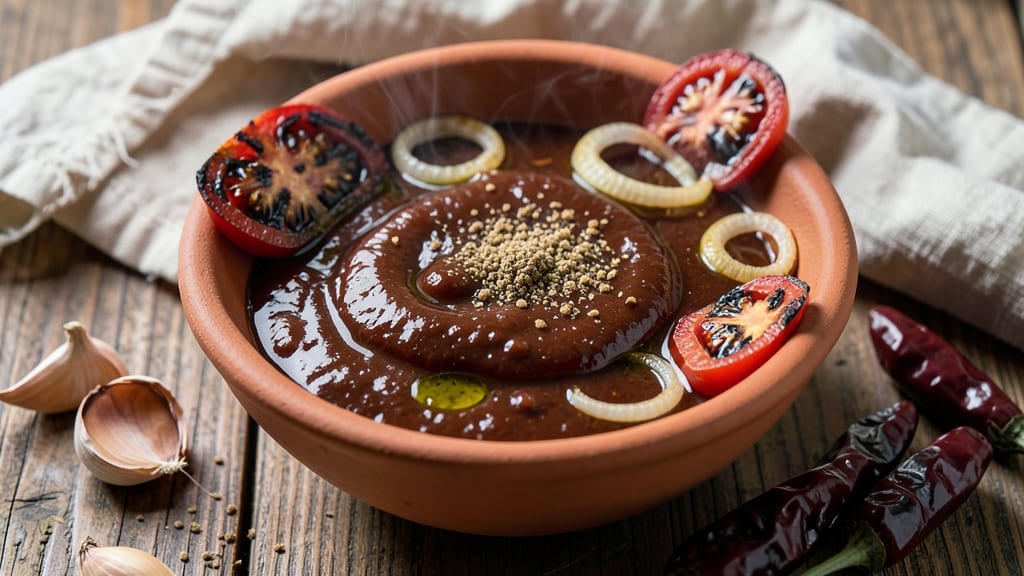
This Amy's enchilada sauce recipe transforms simple pantry staples into a restaurant-quality sauce with authentic smoky chipotle depth—no canned shortcuts needed. The secret lies in blending fresh tomatoes, garlic, and adobo sauce for a rich, complex base that builds layers of flavor as it simmers.
I developed this version after years of testing, ensuring it delivers that perfect balance of heat, acidity, and earthiness that makes homemade enchiladas taste like a family recipe passed down through generations.
The beauty of this sauce is its versatility—it works equally well for rolled enchiladas, enchilada casseroles, or as a dip for tortilla chips. The smoky chipotle peppers provide heat without overpowering, while cumin and oregano add that essential Mexican warmth.
Unlike store-bought versions, this sauce deepens in flavor the longer it sits, making it perfect for meal prep or freezing for future use.
What sets this recipe apart is the textural contrast—smooth yet slightly chunky from blended tomatoes, with just enough body to cling to tortillas and meat. The acidity from the tomatoes brightens the richness, while the spices create warmth that lingers on the palate.
It’s the kind of sauce that turns a simple weeknight dinner into something special, with just a few minutes of active prep and 20 minutes of simmering.
Once you taste the difference, you’ll never go back to canned sauce again. Use it immediately for enchiladas, or store it in the fridge for up to a week or freeze for months—because once you master this, you’ll want to keep it on hand for every Mexican-inspired meal.
Let’s make it.
Ingredients for amy's enchilada sauce
Nine simple ingredients create restaurant-quality sauce with smoky chipotle depth.
| Ingredient | Amount | Notes |
|---|---|---|
| Fresh Roma Tomatoes 🍅 | 2 lbs | Ripe, firm, halved for blending |
| Chipotle Peppers in Adobo 🌶️ | 4 whole | 2 tbsp adobo sauce reserved |
| Yellow Onion 🧅 | 1 whole | Medium size, roughly chopped |
| Garlic Cloves 🧄 | 6 cloves | Peeled, slightly smashed |
| Extra-Virgin Olive Oil 🫒 | ¼ cup | For richness and balance |
| Ground Cumin 🌿 | 1 tbsp | Toasted for deeper flavor |
| Dried Oregano 🍃 | 1 tbsp | Mexican oregano preferred |
| Salt 🧂 | 1 ½ tsp | Kosher or sea salt |
| Black Pepper 🌶️ | ½ tsp | Freshly ground preferred |
| Lemon Juice 🍋 | 2 tbsp | Freshly squeezed |
The tomatoes are the foundation—Roma are perfect for their meaty texture, but vine-ripened work too. Trader Joe's has great Roma tomatoes year-round, or grab any beefsteak variety at the farmers market. Chipotles in adobo? La Costeña is the gold standard, but any brand in the Mexican aisle works. Toast the cumin seeds for 30 seconds in a dry pan before grinding—they’ll smell amazing and add depth. The adobo sauce is non-negotiable for that authentic smoky flavor, so don’t skip it.
No fresh tomatoes? Canned San Marzano tomatoes (drained) work in a pinch, but fresh gives that bright acidity. Running low on chipotles? Substitute 1 tsp smoked paprika plus 1/4 tsp cayenne for heat, though it won’t be identical. The onion and garlic can be roasted first (400°F for 20 minutes) for a sweeter, deeper flavor—worth the extra minute if you’re prepping ahead. For extra richness, stir in 1 tbsp of nutritional yeast at the end (it adds that umami cheesiness without dairy).
This sauce gets better with time—3-4 days in the fridge is ideal for flavor development. Store in a sealed jar with a thin layer of olive oil on top to preserve freshness. Freezes beautifully for up to 6 months—portion into ice cube trays before transferring to a bag. Double the batch and freeze half; you’ll thank yourself later when enchilada night rolls around.
Why You'll Love This Recipe
- No-Chop Nightmare: I swear by this sauce because it’s the only enchilada recipe where I actually enjoy chopping the onion—because you only need to dice one, and it’s done in three swipes of a knife. The chipotle peppers in adobo do all the heavy lifting while you sip your wine (or coffee, no judgment).
- Smoky Depth Magic: That first taste of the sauce—where the Roma tomatoes caramelize just enough to mingle with the smoky chipotle and garlic? It’s like a hug for your taste buds. Honestly, I’ve tried store-bought sauces, but this one has this layered heat that lingers without overpowering.
- Taco Tuesday to Sunday Supper: This sauce isn’t just for enchiladas. Drizzle it over grilled chicken for tacos, spoon it into baked potatoes, or use it as a marinade for shrimp. I’ll be real: I’ve even used it in a quick pasta sauce when I was too tired to think. It’s my secret weapon for lazy nights.
- Leftovers That Don’t Suck: Most homemade sauces turn into sad, watery glops in the fridge. Not this one. The olive oil keeps it rich, and the chipotle peppers actually intensify after a day or two—like a better version of itself. I make a double batch every time because it’s the only sauce I don’t dread reheating.
Step-by-step instructions for Amy's enchilada sauce recipe
This homemade sauce delivers smoky, vibrant flavor that beats canned versions every time.
Char and Blend the Tomatoes
Preheat your broiler to high. Cut the 2 lbs fresh Roma tomatoes in half lengthwise and place them cut-side down on a baking sheet. Broil for 8-10 minutes until the skins blacken and blister in spots. This charring adds deep, smoky flavor that canned sauce can't match.
Transfer the charred tomatoes to a blender along with the 2 tablespoons reserved adobo sauce from the chipotle peppers. Add the 2 tablespoons freshly squeezed lemon juice and blend until completely smooth. The acidity from the lemon brightens the sauce, balancing the smokiness. If the sauce is too thick, add 2-3 tablespoons water to reach your desired consistency.
Sauté Aromatics Until Fragrant
Heat the 0.25 cup extra-virgin olive oil in a large saucepan over medium heat. Add the roughly chopped whole yellow onion and cook for 5-6 minutes until softened and translucent. You'll know it's ready when the onion releases its sweet aroma and begins to caramelize slightly at the edges.
Add the 6 peeled, slightly smashed garlic cloves and cook for 30 seconds until fragrant—don't let them brown or they'll turn bitter. Stir in the 1 tablespoon toasted ground cumin and 1 tablespoon dried oregano (Mexican oregano preferred) and cook for another 30 seconds to toast the spices. This step builds the sauce's aromatic foundation.
Simmer the Sauce to Perfection
Pour the blended tomato mixture into the saucepan with the aromatics. Add 1.5 teaspoons salt and 0.5 teaspoon freshly ground black pepper. Bring to a gentle simmer over medium-low heat and let it cook uncovered for 20-25 minutes. Stir occasionally to prevent sticking, and skim off any foam that rises to the surface.
Taste the sauce and adjust seasoning if needed—you might want to add a pinch more salt or a splash of lemon juice for brightness. The sauce should thicken slightly as it simmers, developing a rich, smoky depth. For extra richness, you can stir in 1 tablespoon of the adobo sauce from the chipotle peppers at the end.
Finish with Chipotle for Smoky Heat
Remove the stems and seeds from the 4 whole chipotle peppers in adobo, then finely chop them. Stir the chopped chipotles into the simmering sauce and cook for 5-7 minutes until the sauce thickens slightly and the chipotle flavor melds completely. The sauce should have a deep, smoky aroma with a hint of heat.
Let the sauce cool slightly before using—this allows the flavors to settle and intensify. If you're not using it immediately, store it in an airtight container in the refrigerator for up to 5 days or freeze for up to 3 months. This sauce is the secret to restaurant-quality enchiladas, tacos, or quesadillas!
Pro Tips For Making Amy'S Enchilada Sauce
- Char the Tomatoes First: I learned this the hard way—skipping the char step means a sauce that tastes flat and one-dimensional. Blister those Roma tomatoes over direct flame or a screaming-hot skillet for 3-4 minutes per side until blackened in spots. The smoky depth from the char is non-negotiable for that authentic, restaurant-quality flavor.
- Strain the Adobo Paste: That chipotle adobo sauce is where the magic happens, but the seeds and skin turn your sauce gritty and bitter. After blending, pour the mixture through a fine-mesh strainer, then press the pulp with a spoon—don’t skip this. The extra effort guarantees a silky texture and balanced heat without the unpleasant mouthfeel.
- Sweat the Onion Low and Slow: Onions burn faster than you’d think, especially when you’re eager to move on. Cook the yellow onion over medium-low heat for 8-10 minutes until it’s translucent and just starting to soften—no browning yet. Rushing this step adds bitterness that even the tomatoes can’t mask.
- Toast the Garlic in Oil: I was skeptical until I tried it: after sautéing the onion, add the minced garlic to the pot with a splash of olive oil and let it sit for 30 seconds before stirring. The garlic won’t brown, but it develops a nutty aroma that elevates the sauce from good to wow. Just don’t walk away—it burns faster than you’d expect.
Essential equipment for this recipe
Blender Essentials
You’ll need a high-powered blender—I swear by my Ninja Mega Food Processor for smooth, chunk-free sauce. The motor should handle 2 lbs tomatoes without struggling. A standard blender works too, but you might need to thin the sauce with water if it’s too thick.
Avoid immersion blenders here; they can’t handle the volume and texture properly. 🍅
Saucepan Selection
Use a heavy-bottomed saucepan (like All-Clad or Calphalon) to prevent scorching during the 20-25 minute simmer. A 3-quart pan gives enough room for the sauce to develop without boiling over.
If your pan is too small, the sauce may stick or burn—trust me, you don’t want to scrape charred bits out later.
Chipotle Prep Tools
For the chipotles, grab a sharp chef’s knife (I use my Wüsthof 8-inch) and a cutting board to remove stems and seeds safely. A microplane works well for finely grating the peppers if you prefer a smoother texture.
Avoid mincing them too finely—they need to infuse flavor without overpowering. 🌶️
Storage Containers
Store your sauce in glass jars with tight-sealing lids (like Ball Mason jars) for fridge storage. For freezing, use quart-sized freezer bags—they’re stackable and prevent freezer burn. Label with the date to track freshness. Pro tip: Leave 1 inch headspace in containers to account for expansion when reheating.
Optional Gadgets
A fine-mesh strainer helps remove any unwanted pulp if you prefer ultra-smooth sauce. For extra smokiness, a smoking gun (like Masterbuilt) lets you infuse the sauce with wood chip smoke—though the chipotles already deliver deep flavor.
If you’re prepping ahead, a slow cooker on low keeps the sauce warm for hours without burning. ✨
Nutrition facts
Frequently asked questions
Can I substitute canned tomatoes for fresh in this recipe?
Yes, but fresh tomatoes give brighter acidity and better texture. Use 2 (14.5 oz) cans San Marzano tomatoes (drained), but skip charring and add 1 extra tablespoon lemon juice to compensate. For chunkier sauce, blend only half the tomatoes before adding them to the pan.
How spicy will this sauce be with 4 chipotle peppers?
The sauce will have a mild to medium heat—think smoky warmth rather than fiery. For less heat, use 2 chipotles (seeds removed) or reduce cooking time to 3 minutes. For extra kick, add ½ tsp cayenne at the end. The adobo sauce's sweetness balances the heat naturally.
Can I make this sauce in a slow cooker or Instant Pot?
For slow cooker: Sauté onions/garlic first, then add all ingredients and cook on low for 3-4 hours (stirring occasionally). For Instant Pot: Sauté aromatics, add blended tomatoes, then pressure cook for 10 minutes on high. Both methods develop deeper flavor—just reduce simmering time by half.
What's the best way to use leftover sauce?
This sauce freezes beautifully—portion into ice cube trays before transferring to bags for perfect single-use servings. Thaw overnight in the fridge. Use it for enchiladas, tacos, or even as a marinade for grilled chicken. For extra richness, stir in ¼ cup sour cream when reheating.
Why does my sauce taste flat after simmering?
Flat flavor usually means insufficient acidity or under-seasoned spices. Boost with 1 extra tablespoon lemon juice or ½ tsp vinegar, then add ½ tsp more cumin or oregano. Always taste before serving—homemade sauce needs personal adjustment! The sauce should have bright, layered flavors, not just smoky or salty notes.