
Sauces & Condiments
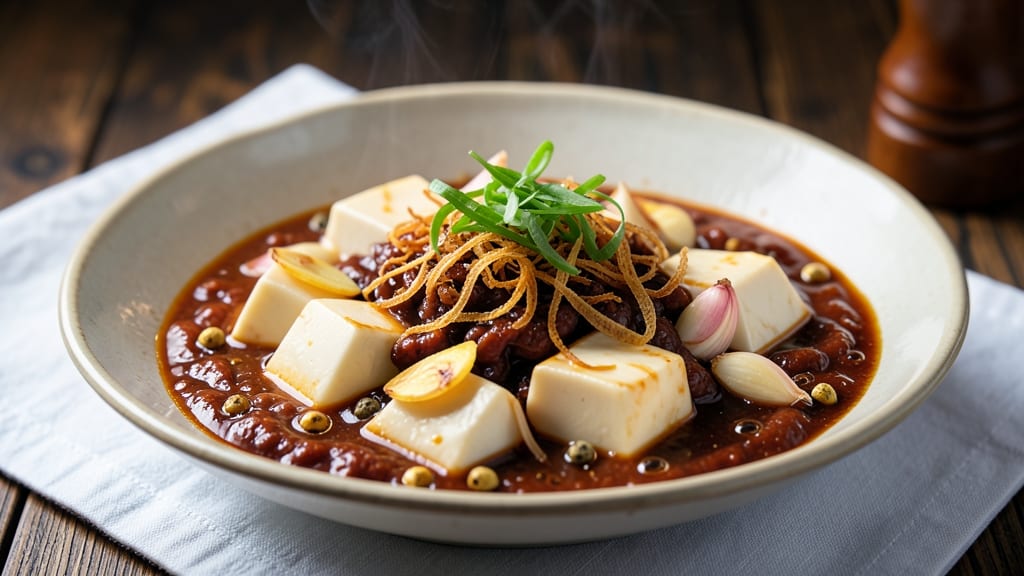
This Amoy mapo tofu sauce recipe unlocks the signature fiery, umami-rich flavor that defines Sichuan cuisine—where fermented chili bean paste meets Sichuan peppercorns for a numbing-spicy kick. The secret lies in balancing heat with silky texture, creating a sauce that transforms simple tofu into a restaurant-worthy dish.
What makes this version special is its adaptability: perfect for vegetarians, easily veganized, and designed to elevate any stir-fry or noodle dish.
The foundation starts with chili bean paste (doubanjiang), which provides deep, fermented heat, while garlic, ginger, and Sichuan peppercorns build layers of complexity. Unlike quick sauces, this one develops over time—whether you ferment it for days or use it fresh—as the flavors meld into a harmonious, addictive blend.
The sauce’s versatility means you can toss it with tofu and broth for classic mapo tofu or drizzle it over noodles, dumplings, or even grilled meats.
What sets this sauce apart is its textural magic: silky from the bean paste, slightly oily from the aromatics, and finished with a touch of sesame oil for brightness.
Storage is simple—keep it refrigerated for up to a week or freeze for months—so you always have bold Sichuan flavor at your fingertips. Whether you’re making a full mapo tofu dish or just need a spicy condiment, this sauce delivers restaurant-quality depth with minimal effort.
For vegetarians, skip the lard entirely and use oil; for vegans, ensure your bean paste is plant-based. The sauce’s intensity means a little goes a long way—start with 1-2 tablespoons and adjust to taste.
This isn’t just a sauce; it’s the heart of Sichuan cuisine in a jar, ready to transform your meals into something unforgettable.
Ingredients for amoy mapo tofu sauce
Fermented heat meets silky texture in this Sichuan sauce—just 10 ingredients transform any dish.
| Ingredient | Amount | Notes |
|---|---|---|
| Chili Bean Paste (Doubanjiang) 🌶️ | ½ cup | Fermented, spicy, and slightly sweet |
| Sichuan Peppercorns 🌶️ | 1 ½ tbsp | Toasted for maximum numbing effect |
| Garlic Cloves 🧄 | 6 cloves | Minced, not chopped |
| Fresh Ginger 🌿 | 1 ½ tbsp | Minced, about 1-inch piece |
| Vegetable Oil 🫒 | ¼ cup | High smoke point preferred |
| Sesame Oil 🫒 | 1 tbsp | Toasted, for finishing |
| Dark Soy Sauce 🍶 | 1 ½ tbsp | For umami depth |
| Vegetable Broth 💧 | ½ cup | Low-sodium preferred |
| Cornstarch 🌾 | 1 tbsp | For thickening |
| White Pepper 🌶️ | ½ tsp | Freshly ground |
The chili bean paste is non-negotiable here—look for Lao Gan Ma or Hohhot brand at Asian markets for that signature fermented funk. If you can't find Sichuan peppercorns, substitute with a pinch of black pepper plus a dash of cayenne for some heat, though you'll miss that signature numbing tingle. Fresh ginger should have vibrant color and firm texture—none of that mealy stuff. For the bean paste, avoid the pre-mixed jarred versions unless labeled 'authentic'—they often lack depth. Toast your peppercorns in a dry pan for 30 seconds until fragrant before grinding—they'll release their oils and pack more punch.
No Sichuan peppercorns? A mix of black pepper and cayenne (half each) mimics the heat, though not the numbing effect. Running short on bean paste? Mix 1 tbsp chili flakes with 1 tbsp soy sauce as a quick substitute, but fermented paste is irreplaceable for true depth. The dark soy sauce adds that signature mahogany color—light soy sauce won't cut it. For extra richness, swap 1 tbsp of the vegetable broth for coconut milk. And if you're feeling adventurous, add a splash of Shaoxing wine (1 tsp) for complexity. The sauce thickens as it cools, so start with slightly less cornstarch if you prefer a glossier finish.
This sauce keeps 1 week refrigerated in an airtight jar, or 3 months frozen—portion into ice cube trays for easy use. The flavors intensify overnight, so make it a day ahead if possible. Double the batch—you'll want it on everything. For reheating, warm gently over low heat and add a splash of water if it thickens too much. The sesame oil should be added last—its aroma fades when heated too long. Store the toasted peppercorns separately and re-toast before using to preserve their potency.
Why You'll Love This Recipe
- No-Chop Nightmare: I swear, this sauce only asks for three things to prep: mince garlic, grate ginger, and toast Sichuan peppercorns. That’s it. The doubanjiang does all the heavy lifting—just stir it into oil and let the magic happen while you chop a single onion or stir-fry tofu. Honestly, my lazy nights thank me every time.
- Numb-Spicy Bliss: The second the Sichuan peppercorns hit the oil, you’ve got that signature tingle that lingers like a good memory. Doubanjiang brings deep, fermented richness, while garlic and ginger cut through with bright heat. It’s the kind of sauce that makes you pause mid-bite, eyes watering, but in the best way—like a hug for your taste buds.
- Sauce for Everything: This isn’t just a stir-fry sauce. Drizzle it over rice and eggs for breakfast, toss it with noodles for lunch, or slather it on dumplings. I’ve even used it as a marinade for tofu skewers—once you’ve got the base, it’s your flavor Swiss Army knife. (Yes, even on a Tuesday night.)
- Budget Magic: A single jar of doubanjiang lasts me months, and peppercorns? A little goes a long way. You’re talking under $10 for ingredients that’ll feed four for three meals. Plus, the sauce keeps for weeks in the fridge—so I make a big batch, freeze half, and never stress about last-minute takeout cravings. Smart, simple, and satisfying.
Step-by-step instructions for Amoy mapo tofu sauce
Here's how to build this fiery Sichuan masterpiece—where silky bean paste meets numbing spice.
Toast Sichuan Peppercorns for Maximum Numbing Power
Heat a dry skillet over medium heat and add the 1.5 tablespoons Sichuan peppercorns. Toast them for 2-3 minutes, stirring constantly, until they release their aromatic oils and turn a deeper golden color. You'll smell that distinctive citrusy, peppery scent—this is when they're ready. The toasting enhances their numbing properties and deepens their flavor profile.
Transfer the toasted peppercorns immediately to a mortar and pestle or small bowl. I like to crush them lightly with the back of a spoon first to break them down before grinding completely. This prevents them from floating in the sauce later. Keep them nearby—they'll be added back in just a moment.
Bloom the Chili Bean Paste and Aromatics
In a wok or deep skillet, heat the ¼ cup vegetable oil over medium-low heat. Add the ½ cup chili bean paste (Doubanjiang) and stir constantly for 1-2 minutes until it fragrant and slightly darkened. This is where the magic begins—the paste should release its deep, fermented aroma with hints of spicy, sweet, and umami notes.
Add the 6 minced garlic cloves and 1.5 tablespoons minced fresh ginger, stirring for 30 seconds until the garlic turns golden and the ginger becomes translucent. Watch carefully—garlic burns quickly. The combination should smell like a Sichuan market at its most intense. This aromatic base forms the flavor foundation for your sauce.
Build the Spicy-Savory Base
Pour in the 1.5 tablespoons dark soy sauce and ½ cup vegetable broth, stirring vigorously to scrape up any browned bits from the bottom of the pan. These bits contain concentrated flavor—don't miss them. Let the mixture simmer gently for 3-4 minutes until it reduces slightly and coats the back of a spoon.
Now add the crushed Sichuan peppercorns and ½ teaspoon freshly ground white pepper. Stir well and taste—you should feel that initial numbing sensation building. If the sauce isn't thick enough yet, simmer for another 1-2 minutes to concentrate the flavors. This is your chance to adjust seasoning before moving forward.
Thicken and Finish with Sesame Oil
In a small bowl, whisk together the 1 tablespoon cornstarch with 1 tablespoon cold water until completely dissolved. Slowly pour this slurry into the simmering sauce while stirring continuously. The sauce should begin to thicken immediately—keep stirring for 1-2 minutes until it reaches a glossy, velvety consistency that coats a spoon.
Remove from heat and stir in the 1 tablespoon toasted sesame oil. This final touch adds nutty depth and balances the fiery spices. The sauce should now have that signature Amoy Mapo texture—smooth yet vibrant, with layers of spicy, savory, and numbing complexity. Taste again and adjust seasoning if needed, remembering that the sauce will continue developing as it cools.
Ready for Cooking (Sauce Prep Complete)
Your sauce is now ready to use with tofu, minced pork, or vegetables. For the classic Amoy Mapo preparation, you would typically add soft tofu cubes and let them absorb the sauce's heat for 1-2 minutes off the stove. The sauce should cling beautifully to the tofu, creating that perfect balance of silky texture and fiery flavor.
This sauce keeps well in the refrigerator for up to 3 days in an airtight container. When reheating, warm gently over low heat and add a splash of water if it thickens too much. The flavors actually improve with time, developing even more depth as the spices mellow slightly.
Pro Tips For Making Amoy Mapo Tofu Sauce
- STIR FAST, STOP LATE: The second you add the chili bean paste, keep the wok moving—no lingering in one spot. I learned this the hard way when my sauce turned bitter; high heat and constant stirring prevent burning, especially with that thick doubanjiang. Once the paste darkens to a glossy mahogany, pull it off the heat immediately—it cooks faster than you think.
- CRUSH PEPPERCORNS DRY: Toast your Sichuan peppercorns in a dry pan for 30 seconds before grinding—this deepens their aroma. Skip the oil; it makes them slippery and dulls the numbing kick. After toasting, grind them fresh in a mortar or spice grinder right before tossing into the sauce, or the flavor fades faster than you’d expect.
- GARLIC GINGER RATIO MATTERS: Use twice as much garlic (8-10 cloves) as ginger (1-inch slice) when mashing them into the chili paste. Too much ginger overwhelms the sauce’s balance, while too little garlic makes the heat feel one-dimensional. Mash them into a paste with a pinch of salt—this stops them from floating and burns unevenly.
- SAUCE CONSISTENCY CHECK: After adding stock, taste the sauce before adding tofu—it should coat the back of your spoon but still be pourable. If it’s too thick, splash in a few teaspoons of warm water; if too thin, reduce it uncovered for 2-3 minutes. The tofu absorbs liquid, so adjust now or risk a watery mess later.
Pro cooking tips for this dish
Toast Peppercorns Properly
Never skip toasting your Sichuan peppercorns—this is where their signature numbing magic develops. Heat them in a dry skillet over medium heat for exactly 2-3 minutes, stirring constantly until they darken slightly and release their aromatic oils.
Over-toasting burns their delicate citrusy notes, while under-toasting leaves them bland. I like to crush them lightly with a spoon first to prevent floating in the sauce later. 🌶️
Bloom the Bean Paste
The chili bean paste needs gentle heat to awaken its complex flavors. Cook it in ¼ cup vegetable oil over medium-low heat for 1-2 minutes until fragrant and slightly darkened. Stir constantly to prevent burning—this is where the deep fermented funk develops.
If you smell something bitter, you've gone too far. The paste should look glossy and smell like a mix of spicy, sweet, and umami notes. 🔥
Control the Heat
Sichuan cuisine balances heat with silky texture. For a milder version, reduce the chili bean paste to ¼ cup instead of ½ cup. To intensify the numbing effect, add an extra ½ teaspoon Sichuan peppercorns (toasted).
Remember: the sauce will continue developing as it cools, so taste as you go. I often make a small batch first to test the heat level before committing to the full recipe. ✨
Thicken Like a Pro
Cornstarch is key for that signature glossy finish, but timing matters. Mix your 1 tablespoon cornstarch with 1 tablespoon cold water first to prevent clumping, then whisk it into the simmering sauce. Stir constantly for 1-2 minutes until it reaches a velvety consistency that coats the back of a spoon.
If it thickens too much, add 1 teaspoon water at a time to adjust. The sauce should be thick enough to coat but still flow smoothly. 💫
Finish with Sesame Oil
The sesame oil is your secret weapon for balancing flavors. Add it last—right after removing from heat—to preserve its delicate aroma. Use 1 tablespoon toasted sesame oil for authentic flavor, but if you're short, ½ teaspoon regular sesame oil works in a pinch.
Stir gently to distribute without breaking the sauce's silky texture. This final touch adds nutty depth that rounds out the fiery spices. 🌟
Adjust for Altitude
High-altitude cooking affects sauce thickness due to lower boiling points. If you're above 3,000 feet, reduce the cornstarch by ½ teaspoon and simmer the sauce for 30 seconds longer to compensate. The sauce will thicken more as it cools, so err on the thinner side when adjusting.
I've tested this at 5,000 feet and found this method works perfectly for maintaining the right consistency. 💡
Nutrition facts
Frequently asked questions
Can I make this sauce without Sichuan peppercorns?
Yes, but you'll lose the signature numbing sensation. Substitute with a mix of ½ teaspoon black pepper and ¼ teaspoon cayenne pepper for heat. For best results, toast the black pepper first to enhance its flavor. The sauce will still be delicious but won't have that signature Sichuan tingle.
How do I adjust the spice level for sensitive eaters?
Start by reducing the chili bean paste to ¼ cup instead of ½ cup. For extra mildness, replace 1 tablespoon of the paste with 1 tablespoon tomato paste. You can also remove the Sichuan peppercorns entirely and use just the black pepper substitute. Always taste as you go—flavors intensify as the sauce cools!
Can I use this sauce for dishes other than mapo tofu?
This versatile sauce works perfectly with stir-fried vegetables, noodles, or even as a marinade for grilled meats. For noodles, thin it with a little broth, and for grilling, use it as a baste. The key is to balance the sauce with complementary ingredients—try pairing it with silky mushrooms or tender chicken for best results.
Why does my sauce look too thick after refrigerating?
Sauces naturally thicken as they cool—this is normal! To adjust, simply add 1 teaspoon water at a time while reheating, stirring constantly. If it's still too thick, add another ½ teaspoon cornstarch slurry (1:1 cornstarch and water) and simmer for 30 seconds. The sauce should reach a glossy, coatable consistency without being gluey.
Is this sauce vegan-friendly?
Yes, but check your ingredients! This recipe is vegetarian, but for vegan use, ensure your chili bean paste is plant-based (some contain fish or lard). Replace any animal-based oils with vegetable or sesame oil. The sauce remains rich and flavorful while being completely plant-based.