
Sauces & Condiments
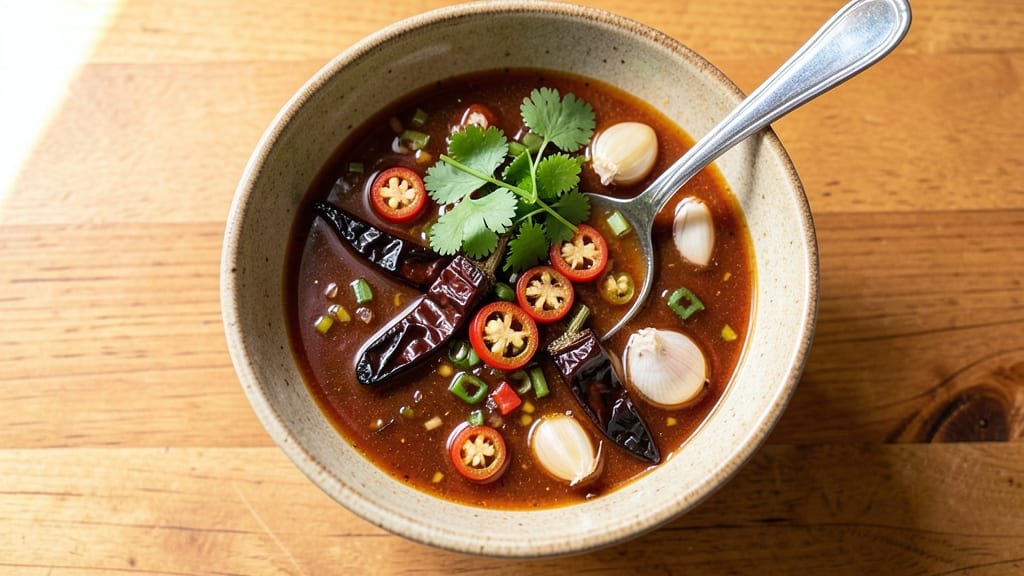
This American hot sauce recipe delivers a perfect balance of smoky chipotle heat and bright cilantro zing that elevates everything from tacos to grilled meats. The secret lies in fermenting fresh peppers with vinegar and spices, creating a sauce that's complex yet approachable—no advanced techniques required.
I developed this version after years of experimenting with commercial hot sauces that always fell short of homemade depth.
The process starts with blending roasted chipotle peppers and fresh jalapeños for that signature smoky heat, then balancing it with tangy apple cider vinegar and just enough sugar to round out the sharpness. Fresh cilantro adds a bright, herbaceous note that cuts through the spice beautifully.
What makes this sauce truly special is the fermentation step—it develops rich, complex flavors over time that store-bought versions simply can't match.
By the time you're done, you'll have a vibrant, medium-hot sauce with layers of smoky, spicy, and fresh flavors that stay fresh in the fridge for months. The texture is smooth yet slightly textured from the peppers, and the heat builds gradually rather than overwhelming.
This is the kind of hot sauce that makes people ask for the recipe—bold enough for spice lovers but approachable for everyday use.
Perfect for drizzling on tacos, grilled chicken, or even mixing into marinades. The best part? You can adjust the heat level by adding more or fewer peppers to suit your preference. Let's make this sauce!
Ingredients for american hot sauce
Nine simple ingredients transform into a restaurant-worthy hot sauce with smoky depth and fresh zing.
| Ingredient | Amount | Notes |
|---|---|---|
| Dried Chipotle Peppers 🌶️ | 4 whole | Smoked, not powdered |
| Fresh Jalapeño Peppers 🌶️ | 6 whole | Seeds removed for milder heat |
| Apple Cider Vinegar 🍎 | 1 cup | Raw, unfiltered preferred |
| Granulated Sugar 🍚 | ¼ cup | Light brown sugar for depth |
| Fresh Cilantro 🌿 | ½ cup | Stems included for extra flavor |
| Garlic Cloves 🧄 | 3 cloves | Freshly minced for aroma |
| Ground Cumin 🌿 | 1 tsp | Toasted for warmth |
| Ground Coriander 🍃 | ½ tsp | Sweet and citrusy |
| Salt 🧂 | 1 tsp | Kosher or sea salt |
| Water 💧 | ½ cup | Filtered if possible |
The peppers are the heart of this sauce—chipotle for smoky heat and jalapeños for brightness. Grab the dried chipotles in adobo sauce at Mexican markets or the Latin aisle of Whole Foods; they're worth seeking out. Fresh jalapeños should be firm and vibrant, not shriveled. Trader Joe's often carries perfect ones, but any grocery store will do. Toast the dried peppers in a dry skillet for 30 seconds per side to deepen their smokiness—don't skip this step, it's what gives the sauce its signature character. For the vinegar, Bragg is my go-to, but any raw, unfiltered apple cider vinegar works.
No chipotles? Smoked paprika at double the amount mimics the smokiness, though it won't have the same depth. Short on jalapeños? Serrano peppers or cayenne bring similar heat. The cilantro can be swapped for fresh parsley or basil if you're not a fan, but trust me—it's the fresh, bright note that makes this sauce special. Want it sweeter? Add an extra tablespoon of sugar. For a smoother texture, strain the sauce through a fine-mesh sieve after blending. And if you're feeling adventurous, ferment the peppers in vinegar for 24 hours before blending—it adds an extra layer of complexity.
This sauce keeps for up to 6 months in the fridge, with flavors actually improving over time. Store it in a clean, airtight glass jar, and give it a shake before each use. Freezes beautifully too—just thaw in the fridge overnight. I like to make a big batch and give it away as gifts; it's always a hit. For extra heat, add a pinch of cayenne to the finished sauce. And if it gets too thick, just stir in a splash of water or vinegar to loosen it up.
Why You'll Love This Recipe
- No-Sweat Simplicity: I’ll admit, I used to avoid homemade hot sauce because of the fuss. But this? Just soak those dried chipotles in hot water for 15 minutes, toss in a handful of chopped jalapeños and cilantro, then simmer with vinegar and sugar. Five ingredients, one pot—no blender, no straining, no stress.
- Smoky-Sweet Magic: Honestly, the balance here is next-level. The chipotles give this deep, smoky backbone, while the sugar cuts through the heat just enough to make it ridiculously addictive. Add a splash of vinegar, and suddenly you’ve got that tangy, bright finish that makes every bite sing.
- Game for Any Meal: Between us, this sauce turns everything better—drizzled on grilled chicken, stirred into deviled eggs, or even mixed into a quick salsa. I keep a jar in the fridge for when I’m scrambling to feed a crowd or just want to jazz up takeout. (Yes, even on a Tuesday night.)
- Lasts Forever, Costs Almost Nothing: A single batch fills three small jars, and I’ve had mine sitting in the pantry for months without losing a drop of flavor. Plus, dried chipotles and vinegar are dirt cheap—this is my go-to when I’m trying to stretch my grocery budget without sacrificing taste. Budget-friendly? Spot-on.
Step-by-step instructions for smoky chipotle hot sauce
Transform bold flavors into liquid fire with this straightforward process.
Toast and Rehydrate the Dried Chipotle Peppers
Heat a dry skillet over medium heat. Add the 4 whole dried chipotle peppers and toast for 1-2 minutes until fragrant and slightly darkened. This step deepens their smoky flavor—don't let them burn or they'll turn bitter. Immediately transfer the peppers to a heatproof bowl and pour over the ½ cup water. Let them soak for 15 minutes while you prep the rest of the ingredients.
The water will soften the peppers and create a smoky base. You'll notice the liquid turning a rich amber color as the peppers release their oils. This infusion is what gives authentic hot sauce its depth. If you're impatient, you can speed this up by using hot water, but I recommend waiting the full time for maximum flavor extraction.
Blend the Fresh Ingredients
In a food processor, combine the 6 whole fresh jalapeño peppers (seeds removed), ½ cup fresh cilantro (stems included), 3 cloves garlic, 1 tsp ground cumin, ½ tsp ground coriander, and 1 tsp salt. Pulse until everything is finely chopped but not pureed—you want visible texture for that authentic hot sauce bite. Scrape down the sides as needed to ensure even blending.
Here's the thing—don't skip the stems. They pack an extra punch of flavor that makes this sauce truly special. You'll see the mixture turn vibrant green with flecks of red from the jalapeños. The texture should resemble coarse sand rather than a smooth paste. This rough texture is what gives hot sauce its signature mouthfeel and prevents it from being too smooth or watery.
Combine and Simmer the Sauce
Transfer the blended mixture to a medium saucepan and add the 1 cup apple cider vinegar and ¼ cup granulated sugar. Stir well to combine, then bring to a gentle boil over medium heat. Once boiling, reduce heat to low and let it simmer uncovered for 10-12 minutes, stirring occasionally. The sauce should thicken slightly and develop a rich, aromatic steam.
This simmering step is where the magic happens. The vinegar's acidity will mellow out the raw heat from the peppers while the sugar caramelizes just enough to balance the flavors. You'll notice the sauce darkening slightly and becoming more translucent as it cooks. If it looks too thick, add 1-2 tablespoons water to reach your desired consistency—it should coat the back of a spoon but still be pourable.
Strain and Bottle the Finished Sauce
After simmering, remove the pan from heat and let it cool for 5 minutes. Then, strain the sauce through a fine-mesh sieve into a clean bowl or jar, pressing gently on the solids to extract all the liquid. Discard the solids or compost them—every drop of flavor is in that liquid now. You should have about 1½ cups of finished hot sauce.
The straining process is crucial for that smooth, professional finish. You'll see the sauce take on a beautiful deep red color with hints of green from the cilantro. If you prefer a smoother texture, you can strain it twice through a cheesecloth-lined sieve. Transfer the sauce to sterilized jars or bottles and let it cool completely before sealing. The flavors will continue developing as it sits, so it's even better after 24 hours of resting.
Pro Tips For Making American Hot Sauce
- SOAK CHIPOTLES FIRST: I learned this the hard way—dried chipotles straight from the jar won’t soften properly and just sit like little rocks. Toss them in warm water for 10 minutes before blending, and they’ll break down into the sauce instead of clogging your blender.
- ROAST JALAPEÑOS FOR DEPTH: Skipping the roast means missing that smoky, caramelized flavor that makes store-bought sauce feel flat. Char the jalapeños over a gas flame or under a broiler for 3-4 minutes per side—just until blackened in spots. The skin will slip off easier, and the heat will mellow into complexity.
- STRAIN THE SEEDS: I used to leave them in, thinking more heat meant better sauce. Wrong. Seeds add bitterness and muddle the clean, bright tang you’re going for. After blending, press the mixture through a fine-mesh sieve or cheesecloth to catch those bitter bits—your sauce will taste smoother and more balanced.
- SWEAT THE CILANTRO: Fresh cilantro wilts into oblivion in vinegar, so don’t just toss it in raw. Heat a dry pan to medium-low, add the stems and leaves, and cook for 30 seconds until just fragrant—no browning. This preserves its bright flavor instead of turning it to mush. (Yes, even if you’re impatient like me.)
Make-ahead tips for this american hot sauce
Batch Prep Strategy
Make this hot sauce in large batches—it’s perfect for gifting or stocking your pantry. I double the recipe and store it in two 16-ounce amber glass bottles (like Ball Mason jars) for easy pouring.
The flavors actually improve over time, so a big batch means more delicious sauce as weeks pass. 💛
Fermentation Boost
For deeper flavor, ferment the peppers before blending: soak the dried chipotles in vinegar for 24 hours before toasting. This mimics traditional hot sauce methods and adds complexity. I use a quart-sized mason jar with the peppers submerged in vinegar—just
Storage Secrets
Store your hot sauce in the fridge for up to 6 months—the acidity preserves it beautifully. Use airtight glass jars (like Le Parfait canning jars) to keep flavors fresh. For freezer storage, portion into ice cube trays—thaw individual servings as needed without defrosting the whole batch. Label with the date so you know when it’s time to make a fresh batch.
Heat Level Control
Adjust spice levels by tweaking the peppers: remove seeds for milder heat or keep them for extra kick. For a mild version, use 2 chipotles and 4 jalapeños. For fiery heat, add 1-2 extra chipotles or a pinch of cayenne.
I like to keep a small jar labeled "extra hot" for when I’m craving serious spice. 🌶️
Gift-Worthy Packaging
Present your hot sauce in style with mini mason jars or custom labels. I use sticker labels from Etsy with the recipe name and date. For a rustic touch, tie a red ribbon around the jar—it’s a hit at potlucks and farmers' markets.
The sauce’s vibrant color and bold flavor make it a standout gift that people will actually use.
Freezer-Friendly Tips
Freeze hot sauce in 1-tablespoon portions for easy use in recipes like Bloody Marys or marinades. Use silicone ice cube trays for single-serving sizes. Thaw overnight in the fridge—never microwave, as it can alter the texture and flavor.
I keep a stash of frozen cubes in my freezer for quick access when cooking.
Nutrition facts
Frequently asked questions
Can I substitute cayenne pepper for chipotle peppers?
Yes, but you'll lose the smoky depth! For every 1 dried chipotle, use ½ teaspoon smoked paprika + ¼ teaspoon cayenne pepper. Toast the paprika first to enhance the smokiness. If you want true chipotle flavor, look for adobo-packed chipotles in Latin markets—they're worth seeking out.
How do I make this hot sauce less spicy?
Remove seeds and membranes from all peppers before blending to reduce heat. For an even milder version, add 1 extra tablespoon of sugar or 1 teaspoon more vinegar—both help balance the spice. If it's already made, stir in 1 teaspoon honey or maple syrup to mellow the burn.
Can I make this sauce without fresh cilantro?
Swap cilantro for ½ cup fresh parsley or basil for a different herbal note. If you prefer no herbs, simply omit it—the sauce will still be delicious, just with a cleaner pepper-vinegar profile. Dried herbs won't work as well since they lack the fresh brightness.
Why did my hot sauce separate after refrigeration?
This is normal! The peppers and spices may settle. Just give it a good shake before using. For a smoother texture, blend again briefly or strain through a fine-mesh sieve. The separation doesn't affect flavor—it's just the natural separation of ingredients. If it's too thick, thin with 1 tablespoon vinegar or water.
Can I use this hot sauce in cooking instead of just drizzling?
Absolutely—it's perfect for marinades, Bloody Mary mixes, or even as a braising liquid! Use 1-2 tablespoons per pound of meat for marinades. The vinegar helps tenderize, while the peppers add incredible depth. Just reduce the sauce first if you're using it in recipes where you don't want extra liquid.