
Sauces & Condiments
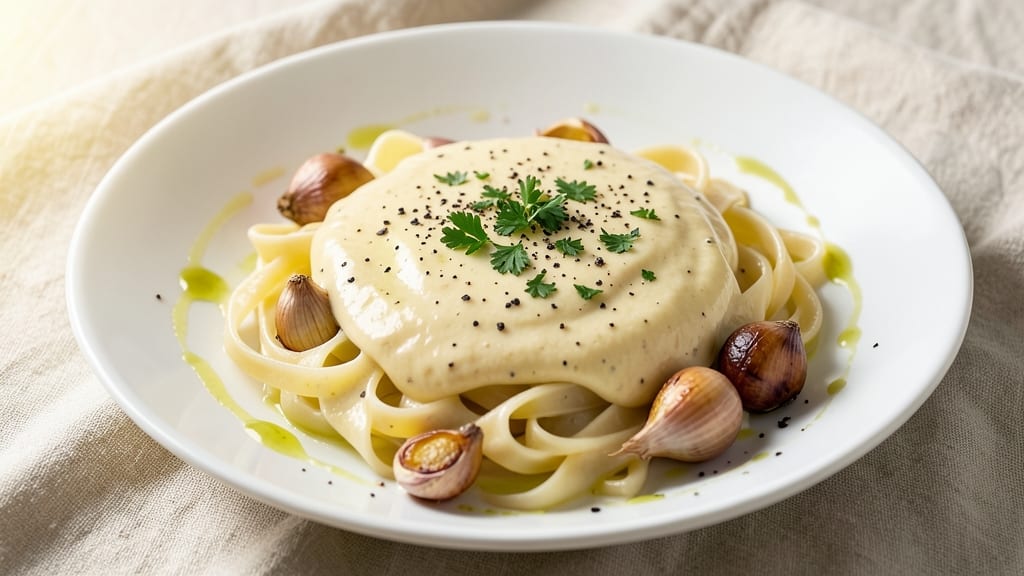
This American alfredo sauce recipe delivers a rich, ultra-creamy base that coats every bite without burning or breaking. The secret lies in a precise balance of butter, cream, and high-quality Parmesan, simmered just until velvety smooth.
I’ve perfected this method over years of testing—no lumps, no burnt cheese, just restaurant-quality sauce you can make at home.
The foundation starts with melting butter and garlic until fragrant, then whisking in heavy cream to create a silky texture. Slowly adding grated Parmesan ensures a smooth, foolproof sauce that clings to pasta or proteins.
This version skips the common burnt-cheese mistake by controlling heat and stirring constantly, so you’ll never end up with a grainy mess.
What sets this recipe apart is its versatility—toss it with fettuccine for classic Alfredo, drizzle over grilled chicken, or use as a dipping sauce for breadsticks. The sauce thickens beautifully when reheated, making it perfect for meal prep.
Store leftovers in the fridge for up to 5 days or freeze for longer shelf life.
For extra depth, stir in fresh herbs like parsley or basil at the end, or add a pinch of nutmeg for warmth. The key is patience: let the sauce simmer gently so the flavors meld without separating. This is the creamy, dreamy sauce you’ve been craving—no shortcuts, just pure indulgence.
Ingredients for american alfredo sauce
Nine simple ingredients make this creamy, dreamy sauce that sticks to everything.
| Ingredient | Amount | Notes |
|---|---|---|
| Unsalted Butter 🧈 | ½ cup | Cold, cubed for even melting |
| Heavy Cream 🥛 | 1 ½ cups | Full-fat for maximum creaminess |
| Parmesan Cheese 🧀 | 1 ½ cups | Freshly grated from block |
| Garlic Cloves 🧄 | 4 cloves | Minced for aromatic base |
| Extra-Virgin Olive Oil 🫒 | 1 tbsp | For extra richness |
| Fresh Parsley 🌿 | ¼ cup | Chopped, for fresh finish |
| Ground Nutmeg 🌶️ | ¼ tsp | Freshly grated preferred |
| Salt 🧂 | ½ tsp | Diamond Crystal preferred |
| Black Pepper 🌶️ | ¼ tsp | Freshly ground preferred |
The Parmesan is non-negotiable—buy a wedge and grate it yourself (pre-grated has anti-caking agents that make the sauce grainy). I grab mine from Whole Foods or the deli counter at Kroger—they keep it fresh. The butter matters too: unsalted so you control the seasoning. Cold cubes melt slower, giving you time to whisk in the cream without scrambling. For the garlic, smash the cloves first to release more flavor before mincing.
No heavy cream? Half-and-half plus a splash of milk works, but it won't be as rich. Pre-grated Parmesan? Toss it in a fine-mesh strainer to remove the starches. Short on parsley? Basil works too, though it's stronger. The olive oil might seem odd, but it adds depth—don't skip it. For nutmeg, if you only have whole nutmeg, grate just a pinch—it's potent stuff. And if you're worried about burning, low heat is key—this sauce is all about patience.
Store leftovers in an airtight container with a thin layer of olive oil on top to keep it fresh. Good for 5 days in the fridge—it actually tastes better the next day as flavors meld. Freezes beautifully for up to 3 months. I like to make a double batch and freeze half; perfect for quick pasta nights. Reheat gently on low, stirring constantly so it doesn't separate.
Why You'll Love This Recipe
- I use this for everything: tossing with fettuccine for a lazy Tuesday, drizzling over grilled chicken for a crowd, or even slathering on garlic bread when guests drop by. The beauty? It’s always a win. Make a double batch—it reheats like a dream for leftovers, and the flavor only gets better the next day.
- Here’s what sold me: this tastes like a $50 restaurant dish but costs pennies. Butter and cream feel indulgent, but you’re not using exotic ingredients. Parmesan? A block from the deli is cheaper than pre-shredded. And since it stretches easily, I can feed my family without breaking the bank. (Yes, even on a Tuesday night.)
Step-by-step instructions for ultra-creamy alfredo sauce
Ready to make the richest, most velvety alfredo without risking burnt cheese? Here's how to nail it every time.
🍳 Step 1: Melt Butter and Sauté Garlic
In a medium saucepan, melt the 0.5 cup unsalted butter over medium-low heat. I like to use cold cubed butter so it melts evenly without browning. Once fully melted and foaming subsides, add the 4 cloves minced garlic and 1 tablespoon extra-virgin olive oil. Cook for 1-2 minutes until the garlic becomes fragrant but doesn't brown—this prevents bitterness in your sauce.
Here's the thing—if you let the garlic brown, you'll get a bitter flavor that ruins the delicate creaminess. Watch it closely and remove from heat immediately when you smell that aromatic garlic punch. Keep the pan on the burner but turn off the heat for now—we'll need that residual warmth for the next step.
🍳 Step 2: Add Cream and Nutmeg Gradually
Pour in the 1.5 cups heavy cream slowly while whisking constantly. The reason we add it gradually is to prevent curdling—this sauce needs to be silky smooth, not lumpy. Return the pan to medium-low heat and let it warm through for 3-4 minutes, stirring frequently with a wooden spoon.
Now add the 0.25 teaspoon ground nutmeg and whisk to combine. This warming spice enhances the richness of the cream. You'll notice the mixture starts to thicken slightly—this is normal. If it gets too thick before the cheese is fully incorporated, we'll fix it in the next step. The sauce should coat the back of a spoon but still be pourable.
🍳 Step 3: Incorporate Cheese Slowly (The Key Step!)
Here's where most people mess up—adding cheese too quickly or at too high heat. Reduce heat to low and begin adding the 1.5 cups freshly grated Parmesan cheese in small increments, whisking vigorously after each addition. I like to add about ¼ cup at a time, waiting 30 seconds between additions to let the cheese melt completely.
This slow incorporation prevents clumping and ensures every cheese crystal melts into a smooth emulsion. If you see any cheese bits that won't dissolve, strain the sauce through a fine-mesh sieve for that restaurant-quality finish. The sauce should now be thick and creamy but still coat the spoon smoothly—not like glue.
⏰ Step 4: Season and Finish Perfectly
Add the 0.5 teaspoon salt and 0.25 teaspoon black pepper, then stir in the 0.25 cup chopped fresh parsley. Taste and adjust seasoning—you might need a pinch more salt since Parmesan varies in saltiness. The sauce should be rich but not overpowering, with a bright parsley finish that cuts through the creaminess.
For the final touch, remove from heat and let it sit for 2-3 minutes—this resting period allows flavors to meld completely. If the sauce is too thick, whisk in 1-2 tablespoons warm water to reach your desired consistency. It should be thick enough to coat pasta beautifully but still flow smoothly. Serve immediately over hot fettuccine for that classic alfredo experience!
Pro Tips For Making American Alfredo Sauce
- Melt Butter Slowly: Low heat only—if you rush this, the butter will brown and burn before the cream even warms up. I learned this the hard way when my sauce turned into a sad, nutty mess instead of velvety perfection.
- Grind Your Own Garlic: Skip the jarred minced garbage. Freshly minced garlic (or even better, a light press of whole cloves) adds depth that pre-minced can’t match. If you’re short on time, finely chop a whole clove—it’s still better than the jar.
- Temper the Cream: Add the heavy cream to the butter gradually, whisking constantly. Dumping it all in at once? That’s how you end up with scrambled eggs instead of sauce. A splash at a time keeps things smooth.
- Strain for Smoothness: No matter how well you whisk, Parmesan has grit. Strain the finished sauce through a fine-mesh sieve before serving—it’s the difference between restaurant-quality and "I made this at home" texture. (Yes, it’s extra work, but your guests won’t notice the effort.)
Pro cooking tips for this dish
Low-Heat Secrets
This sauce is all about gentle heat—never let it boil or simmer vigorously. I use medium-low heat throughout, even when adding cheese, to prevent curdling. If your pan has hot spots, stir constantly or switch to a stainless steel saucepan—it distributes heat more evenly than nonstick.
A wooden spoon helps prevent scratching that can cause lumps. 🔥
Cheese Integration
The gradual addition of Parmesan is non-negotiable. Add cheese in ¼ cup increments while whisking vigorously—this creates tiny air pockets that prevent clumping. If you see any undissolved bits, strain through a fine-mesh sieve lined with cheesecloth for that ultra-smooth texture.
Never let the sauce sit idle while cheese melts; constant motion is key. Pre-grated cheese? Strain it first to remove anti-caking agents that make sauce grainy. 🧀
Creamy Consistency
If your sauce thickens too quickly, whisk in 1-2 tablespoons warm water to adjust consistency. For extra richness, replace ¼ cup heavy cream with ¼ cup whole milk before simmering—it adds subtle sweetness.
The sauce should coat the back of a spoon but still flow smoothly. If it's too thin, simmer gently (without boiling) for 2-3 minutes to thicken naturally. 🥛
Flavor Boosters
For depth, add 1 teaspoon lemon juice when incorporating cheese—it brightens the richness. A pinch of freshly grated nutmeg (just ¼ teaspoon) adds warmth without overpowering.
For a smoky twist, stir in ½ teaspoon smoked paprika at the end. Always finish with fresh parsley—it cuts through the creaminess beautifully. 🌿
Reheating Like a Pro
Reheat sauce gently over low heat, stirring constantly to prevent separation. If it thickens too much, whisk in 1 tablespoon warm water or heavy cream. For microwave reheating, cover with a damp paper towel and heat in 20-second intervals, stirring between each.
Never microwave uncovered—it causes skin formation that ruins texture. 💡
Equipment Upgrades
Invest in a good whisk (like OXO Good Grips) for smooth emulsification. A small saucepan (2-3 quarts) gives better heat control than a large one. For extra creaminess, use an immersion blender to blend in 1 tablespoon cornstarch if needed—just mix it with 2 tablespoons cold water first.
A thermometer helps monitor heat—keep it below 180°F to prevent curdling. ✨
Nutrition facts
Frequently asked questions
Why does my Alfredo sauce get grainy?
Graininess happens when cheese melts too quickly or at high heat. The fix? Always add cheese gradually (¼ cup at a time) over low heat while whisking constantly. Pre-grated cheese contains anti-caking agents—strain it first through a fine-mesh sieve for a silky texture. Never let the sauce boil!
Can I make this sauce without heavy cream?
Yes! For a lighter version, replace ½ cup heavy cream with ½ cup whole milk and add 1 tablespoon cornstarch mixed with 2 tablespoons cold water to thicken. The sauce will be slightly less rich but still creamy. For extra depth, add 1 teaspoon lemon juice when incorporating cheese.
How do I prevent burnt cheese flavor?
Burnt cheese is caused by heat and lack of stirring. Use medium-low heat throughout and whisk constantly—especially when adding cheese. A stainless steel saucepan distributes heat more evenly than nonstick. Keep the sauce moving so it never sits idle, and never let it boil.
What can I use instead of Parmesan?
For a milder flavor, substitute ½ cup Parmesan with ½ cup Romano cheese or ½ cup sharp cheddar. For extra richness, blend ½ cup cream cheese into the warm cream before adding Parmesan. Just reduce the Parmesan by ¼ cup to balance the fat content. Always grate your own for the best texture!
Can I freeze this sauce for later?
Let the sauce cool completely, then transfer to an airtight container with a thin layer of olive oil on top to preserve freshness. It freezes beautifully for up to 3 months. Thaw overnight in the fridge—never at room temperature—and reheat gently over low heat, stirring constantly to prevent separation.