
Sauces & Condiments
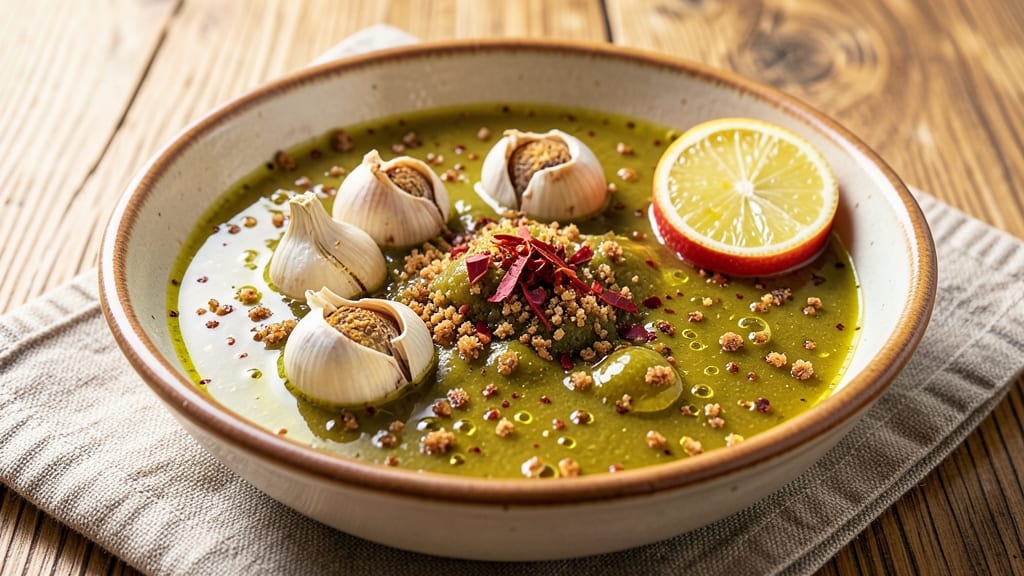
This alio sauce recipe transforms simple ingredients into a silky, garlicky lemon oil that elevates everything from seafood to pasta. The secret lies in emulsifying olive oil with fresh garlic and lemon juice, creating a sauce so versatile it works as a drizzle, soup base, or paella finishing touch.
I developed this version after years of testing—it’s the one that finally delivers that restaurant-quality depth without requiring fancy techniques.
The foundation is high-quality extra-virgin olive oil, gently infused with raw garlic and brightened with lemon juice. A pinch of salt balances the flavors, while optional breadcrumbs add texture if you prefer a thicker consistency.
What makes alio sauce special is its ability to transform ordinary dishes—imagine it drizzled over grilled shrimp, stirred into a seafood stew, or spooned over steaming paella. The sauce keeps well for days, making it perfect for meal prep.
What you’ll achieve is a sauce that’s aromatic, tangy, and effortlessly elegant, with just the right balance of garlic’s boldness and lemon’s brightness. The key is patience during the emulsification process—this is where the magic happens.
Once mastered, alio sauce becomes your go-to for adding depth to any dish without overpowering the main ingredients. It’s the kind of sauce that makes you want to cook everything in it.
For those who want to experiment, try roasting the garlic for a sweeter flavor or adding a dash of chili flakes for heat. The possibilities are endless, but the core technique remains the same: simple ingredients, careful emulsification, and a touch of lemon magic.
Let’s get started—your taste buds will thank you.
Ingredients for alio sauce
Six ingredients. One magical emulsification. Restaurant-quality alio sauce in minutes.
| Ingredient | Amount | Notes |
|---|---|---|
| Extra-Virgin Olive Oil 🫒 | 1 ½ cups | High-quality, fruity, cold-pressed preferred |
| Fresh Garlic Cloves 🧄 | 6 whole | Peeled, roughly chopped, raw for best flavor |
| Fresh Lemon Juice 🍋 | ¼ cup | Strained, freshly squeezed for brightness |
| Fine Sea Salt 🧂 | ½ tsp | Diamond Crystal preferred for delicate flavor |
| Fresh Breadcrumbs 🍞 | ¼ cup | Optional, for thicker consistency (toasted) |
| Red Chili Flakes 🌶️ | ¼ tsp | Optional, for subtle heat (adjust to taste) |
The olive oil is non-negotiable—look for extra-virgin with a harvest date within the last year. California avocado oil works too if you prefer a neutral base, but olive oil gives that authentic Mediterranean depth. For garlic, Spanish or Italian varieties from the produce section tend to be the most aromatic. I grab mine from Whole Foods or my local Italian market, where they keep it refrigerated for maximum freshness. The lemon juice should be freshly squeezed—bottled juice lacks the bright acidity that balances the garlic’s intensity.
No fresh garlic? Roasted garlic at half the amount gives a sweeter, milder flavor, but it won’t emulsify as well. Short on breadcrumbs? Crushed croutons or panko work just as well—just toast them first for extra crunch. The chili flakes are optional, but if you add them, start with a pinch and taste before emulsifying. For a vegan version, skip the optional breadcrumbs or use gluten-free panko. The key to success is patience—don’t rush the emulsification, or you’ll end up with separated oil.
This sauce keeps beautifully—up to 1 week in the fridge sealed in a jar with a thin layer of olive oil on top. For longer storage, freeze in ice cube trays and transfer to a bag. The breadcrumbs, if using, can be toasted ahead and stored in an airtight container for 3 days. The magic happens when you drizzle it over hot dishes, so always reheat gently—just enough to warm through, never boil. Trust me, the first time you drizzle this over perfectly cooked shrimp, you’ll never go back to bottled sauce.
Why You'll Love This Recipe
- Five-Ingredient Magic: I swear, this sauce is the kind of recipe where you glance at the list and think, "That’s it? Really?" Fresh garlic, lemon, breadcrumbs—no fancy gadgets, no waiting for hours. Honestly, the only prep is mincing garlic (and maybe a quick toast for those breadcrumbs).
- Garlic-Golden Umami: That moment when the garlic sizzles in the olive oil? Chef’s kiss. The lemon brightens it just enough to cut through the richness, while the toasted breadcrumbs add this addictive crunch. Between us, it’s the kind of flavor that makes you pause mid-bite and go, "Wait, is this actually good?"
- Dinner Party Ready: I’ve drizzled this over grilled fish, tossed it with roasted veggies, and even slathered it on crusty bread for a crowd. It’s the kind of sauce that feels special but doesn’t scream "I spent all day cooking." (Yes, even on a Tuesday night.)
- Leftovers That Don’t Suck: Make a double batch—it keeps for days in the fridge and tastes just as good reheated. My go-to? Stir it into cold pasta or use it to jazz up a sad-looking salad. Not the prettiest, but the taste makes up for it every time.
Step-by-step instructions for alio sauce
Here's how to make this vibrant, garlicky sauce that transforms simple pasta or seafood into something extraordinary.
Prepare the Garlic and Toast the Breadcrumbs
Peel the 6 whole fresh garlic cloves and roughly chop them into even pieces—this ensures they cook uniformly without burning. In a small dry skillet over medium-low heat, toast the ¼ cup fresh breadcrumbs for 2-3 minutes until they turn a pale golden color and smell nutty. This step adds depth to the sauce and prevents it from being too thin.
Watch the breadcrumbs closely—they should be lightly toasted but not browned. Remove them from the skillet and set aside in a small bowl. I like to keep them warm while I prepare the rest of the sauce so they can be added at the perfect moment for maximum flavor impact.
Infuse the Olive Oil with Garlic
In a small saucepan, combine the 1½ cups extra-virgin olive oil and the chopped garlic over low heat. The key here is patience—you want the garlic to gently infuse the oil without browning. Stir occasionally for 5-7 minutes until the garlic becomes soft and fragrant but doesn't turn golden.
If you see the garlic starting to brown, immediately reduce the heat or remove the pan from the stove. Browned garlic adds bitterness, which can overpower the delicate balance of this sauce. The oil should smell rich and aromatic, like a garlicky perfume.
Add Lemon Juice and Season
Remove the pan from heat and stir in the ¼ cup fresh lemon juice and ½ teaspoon fine sea salt. The acidity of the lemon brightens the garlic flavor and balances the richness of the olive oil. Taste the mixture—it should be tangy, garlicky, and slightly salty, with a clean finish.
If you're using the ¼ teaspoon red chili flakes, sprinkle them in now and stir gently. The heat should be subtle but noticeable, adding a pleasant warmth to each bite. Let the sauce sit off the heat for 5 minutes to allow the flavors to meld together completely.
Finish with Toasted Breadcrumbs
Return the sauce to low heat and stir in the toasted breadcrumbs. Keep the heat low to prevent the breadcrumbs from burning—you want them to soften slightly and thicken the sauce just enough to coat the back of a spoon. Stir for 1-2 minutes until everything is fully incorporated and the sauce reaches your desired consistency.
The sauce is now ready to use. For pasta, toss it in while the noodles are still hot and al dente. For seafood, drizzle it over grilled or steamed fish just before serving. The breadcrumbs will add a pleasant texture contrast, while the garlic and lemon infuse every bite with bright, Mediterranean flavor.
Pro Tips For Making Alio Sauce
- Toast the Garlic Low: I learned this the hard way—blasting garlic in olive oil on high turns it bitter fast. Instead, keep the heat low and let it sizzle gently for 3–4 minutes until fragrant but still pale gold. The moment it darkens, you’ve crossed into burnt territory, and no amount of lemon can save it.
- Use Stale Breadcrumbs: Fresh breadcrumbs clump into a gluey mess. Toast them in a dry pan for 2–3 minutes until they smell toasty and dry—this ensures your sauce stays thick and crumbly, not gummy. (Yes, even if you’re impatient like me, resist the urge to skip this.)
- Salt the Oil First: Toss a pinch of fine sea salt into the warm olive oil before adding garlic. It seasons the oil itself, so every bite of sauce carries that bright, balanced flavor. I used to wait until the end, and the sauce always tasted one-note.
- Whisk in Lemon Gradually: Dumping all the lemon juice at once can make the sauce curdle. Start with half, taste, then add the rest—this keeps the texture smooth and the acidity in check. (Your future self will thank you when the sauce doesn’t split.)
Pro cooking tips for perfect results
Emulsification Mastery
This sauce hinges on perfect emulsification—where oil and lemon juice blend seamlessly. Start by whisking the warm garlic-infused oil with lemon juice in a heatproof bowl over an ice bath. This keeps the oil from overheating while the whisk creates tiny air pockets that bind the ingredients.
I use a Balloon whisk for maximum air incorporation—it’s my secret weapon for silky texture. 💫
Temperature Control
Never heat the sauce above 160°F—it’ll break the emulsion and separate. If the sauce looks too thick, thin it with 1 tablespoon warm water while whisking. For extra stability, add 1 teaspoon cornstarch to the water before mixing.
The breadcrumbs should soften slightly but never crisp again—this ensures they thicken the sauce without burning.
Garlic Infusion Hacks
For deeper flavor without bitterness, crush the garlic cloves with the flat side of your knife before chopping. This releases more oils. If you’re short on time, use a garlic press for even distribution.
For a smoky twist, infuse the oil with 1 bay leaf while heating the garlic—remove it before adding lemon juice. 🌟
Thickness Adjustments
Too thin? Stir in 1 extra tablespoon toasted breadcrumbs and simmer for 30 seconds. Too thick? Thin with 1 teaspoon warm water while whisking vigorously.
Pro tip: For a soupy consistency (perfect for paella), reduce breadcrumbs to 2 tablespoons and omit the chili flakes—they can make the sauce separate when heated.
Storage Secrets
Store alio sauce in a clean glass jar with a tight lid, topped with a thin layer of olive oil to preserve freshness. Refrigerate for up to 5 days—the flavors deepen over time. To reheat, warm gently in a saucepan over low heat, stirring constantly.
Never microwave—it’ll break the emulsion and make the sauce greasy. For freezing, portion into ice cube trays and transfer to a bag for easy single-use servings. ❄️
Nutrition facts
Frequently asked questions
Can I make alio sauce without breadcrumbs? The breadcrumbs are optional and simply add texture. For a smoother sauce, omit them entirely and use 1 tablespoon warm water instead to help emulsify the oil and lemon juice. This version works perfectly as a drizzle for seafood or soups. Just
Why did my alio sauce separate?
Separation usually happens from overheating or improper emulsification. Keep the sauce below 160°F and whisk continuously when combining oil and lemon juice. If it separates, gently reheat while whisking or add 1 teaspoon cornstarch mixed with cold water to stabilize it. The key is patience—don't rush the process!
What's the best way to use leftover alio sauce?
Leftover alio sauce is incredibly versatile! Drizzle it over grilled fish or steamed vegetables, mix into pasta, or use it as a base for soups. It also makes an amazing marinade for chicken or shrimp. For extra flavor, add a pinch of red pepper flakes or fresh herbs like parsley or basil before using.
Can I substitute lemon juice with vinegar?
While white wine vinegar or apple cider vinegar can work in a pinch, they won't give the same bright, fresh flavor as lemon juice. If you must substitute, use 2 tablespoons vinegar for every 1 tablespoon lemon juice and add a pinch of sugar to balance the acidity. However, fresh lemon juice is ideal for that authentic alio taste.
How spicy should my alio sauce be?
The chili flakes are completely optional, so adjust to your taste! For a mild version, skip them entirely. If you like heat, start with ¼ teaspoon and taste before adding more. Remember, the sauce can be reheated later, so it's better to err on the mild side if you're unsure. The garlic and lemon already provide plenty of flavor!