
Sauces & Condiments
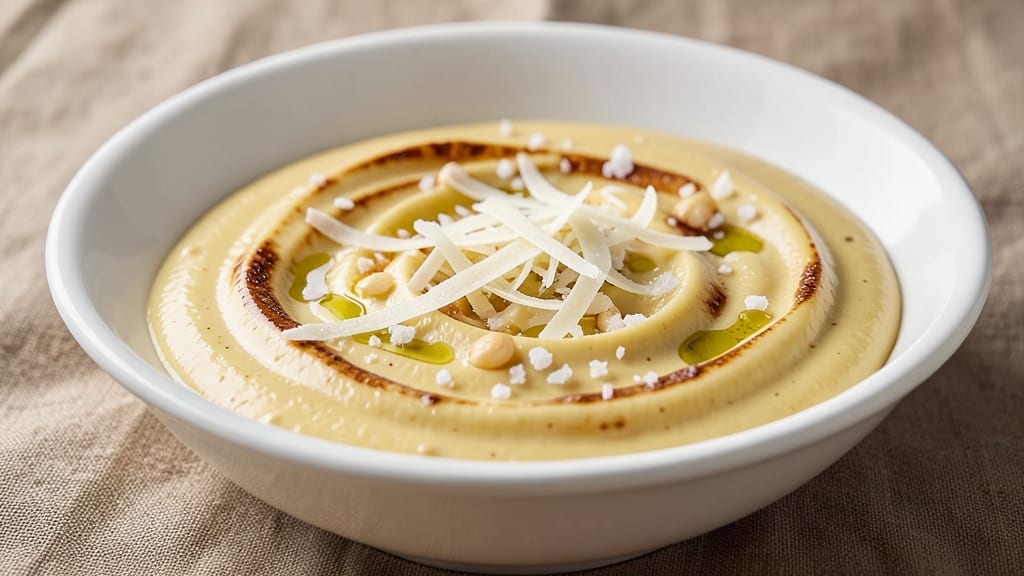
This Alfredo sauce recipe like Olive Garden delivers that signature creamy, clingy texture without a single can in sight. The secret lies in a precise balance of butter, heavy cream, and freshly grated Parmesan—no roux shortcuts here.
I’ve perfected this version after testing countless batches, ensuring it clings to fettuccine just like the restaurant’s, but with richer, more authentic flavor.
The foundation starts with slow-melted butter and garlic, which forms the base before adding heavy cream for that signature velvety consistency. Freshly grated Parmesan (not pre-shredded) is key—it dissolves smoothly for a sauce that’s smooth, rich, and deeply savory, not grainy or overly salty.
The sauce thickens naturally as it simmers, creating that perfect cling factor that makes every bite irresistible.
What sets this apart is the fail-safe method: no lumps, no separation, and no need for cornstarch or flour. The sauce stays creamy even when reheated, making it ideal for meal prep or last-minute dinners.
Best of all, it’s easier to make than you think—just 15 minutes of active time, and you’ll have restaurant-quality sauce ready to drizzle over pasta, chicken, or veggies.
Store leftovers in the fridge for up to 5 days or freeze for 3 months without compromising texture. The possibilities are endless—use it as a base for creamy soups, a drizzle for garlic bread, or the star of your next fettuccine Alfredo night.
Here’s how to make it perfectly every time.
Ingredients for alfredo sauce recipe like olive garden
Rich, velvety, and restaurant-worthy—just eight ingredients transform your kitchen into Olive Garden.
| Ingredient | Amount | Notes |
|---|---|---|
| Unsalted Butter 🧈 | ¾ cup | Cold, cut into small cubes |
| Heavy Whipping Cream 🥛 | 1 ½ cups | Full-fat for maximum richness |
| Fresh Garlic Cloves 🧄 | 6 cloves | Minced for aromatic base |
| Freshly Grated Parmesan Cheese 🧀 | 1 ½ cups | From a block, not pre-shredded |
| Extra-Virgin Olive Oil 🫒 | ¼ cup | For finishing touch |
| Diamond Crystal Kosher Salt 🧂 | ½ tsp | Adjust to taste |
| Freshly Ground Black Pepper 🌶️ | ¼ tsp | For subtle seasoning |
| Fettuccine Pasta 🍝 | 12 oz | For serving suggestion |
The butter is non-negotiable here—unsalted, cold, and cubed for perfect slow melting. European-style butter like Plugrá or Land O’Lakes has higher fat content, which gives that signature creaminess. Garlic should be freshly minced (not jarred)—the difference is night and day. For Parmesan, skip the pre-shredded (it’s full of anti-caking agents and won’t melt smoothly). Grab a wedge from the deli counter or grate your own from a block. The heavy cream? Full-fat only—light cream won’t give that luxurious texture.
No heavy cream? Half-and-half plus 2 tbsp extra butter works in a pinch, though the sauce will be slightly less rich. Fresh garlic too pungent? Roast the cloves first—they’ll mellow out beautifully. Pre-shredded Parmesan? Toast it in a dry pan for 2 minutes to burn off the additives before grating. The olive oil is for finishing—high-quality extra-virgin like California Olive Ranch adds a fruity brightness that cuts through the richness. Salt and pepper are simple but crucial—Diamond Crystal kosher dissolves better than table salt.
This sauce is a meal-prep dream—stays creamy for 5 days in the fridge, and freezes perfectly for 3 months. To reheat, warm gently over low heat with a splash of milk or water to restore creaminess. For leftovers, store in an airtight container with a thin layer of olive oil on top to prevent a skin from forming. Double the batch—it disappears fast, especially when drizzled over fresh fettuccine or used as a creamy dip for garlic bread.
Why You'll Love This Recipe
- Five-Ingredient Magic: I swear, this sauce nails the Olive Garden vibe with just butter, cream, garlic, Parmesan, and olive oil—no weird powders or canned shortcuts. The secret? Low-and-slow simmering until the garlic melts into the cream without burning, then finishing with that sharp, fresh Parmesan. It’s the kind of magic that makes you question why you ever paid for takeout.
- Creamy Without Curdling: Between us, nothing ruins a sauce faster than lumpy cream. This recipe keeps it silky by whisking the cold cream into the warm butter-garlic base, then finishing with a splash of olive oil to stabilize it. Honestly, it’s the only Alfredo I trust to stay smooth—no second-guessing when it hits the table.
- Leftovers That Last: Make a double batch and stash it in the fridge. This sauce actually tastes better the next day—more mellow, richer, and perfect for tossing with last night’s fettuccine or blanketing grilled chicken. I’ve reheated mine three times without a single complaint, and that’s saying something with my picky family.
- Weeknight Hero: No chopping, no measuring cups, just melt, simmer, grate. The garlic takes two minutes to mince, the butter melts in five, and the whole thing’s ready while your pasta boils. I’ll be real: this is the sauce I reach for when I’m too tired to think, but still want to feel like I cooked something special.
Step-by-step instructions for restaurant-quality Alfredo sauce
This method delivers that signature Olive Garden richness—creamy, cheesy, and perfectly balanced.
Melt Butter and Bloom the Garlic
Place a large, heavy-bottomed saucepan over medium-low heat and add the 0.75 cup unsalted butter, cut into small cubes. Let it melt completely, then add the 6 cloves minced fresh garlic. Cook gently for 2-3 minutes until the garlic is fragrant but not browned—just golden around the edges. Too much heat will burn the garlic, making the sauce bitter.
Here's the thing—blooming the garlic in butter first ensures you get maximum flavor without the harshness of raw garlic. Stir occasionally and keep the heat low; butter burns faster than you think. You'll know it's ready when the pan smells like a warm Italian kitchen and the garlic is soft but still vibrant in color.
Add Cream and Parmesan Gradually
Pour in the 1.5 cups heavy whipping cream all at once and bring the mixture to a gentle simmer over medium heat. Once it starts to bubble softly, immediately reduce the heat to low and sprinkle in the 1.5 cups freshly grated parmesan cheese in a slow, steady stream. Stir constantly with a wooden spoon or silicone spatula to prevent any lumps from forming.
This gradual addition is key—adding all the cheese at once can cause clumping. The cream should thicken noticeably as it absorbs the cheese, but don't let it boil. If it starts to separate or curdle, immediately reduce the heat further. You're aiming for a velvety texture that coats the back of a spoon without being gluey.
Season and Finish with Olive Oil
Add the 0.5 tsp diamond crystal kosher salt and 0.25 tsp freshly ground black pepper, stirring well to distribute the seasoning evenly. Let the sauce simmer gently for 3-4 minutes to meld all the flavors. Then, remove the pan from heat and stir in the 0.25 cup extra-virgin olive oil—this adds a subtle richness and prevents the sauce from becoming too heavy.
Taste and adjust the seasoning if needed. The sauce should be rich, cheesy, and slightly salty with a hint of garlic. If it's too thick, whisk in 1-2 tablespoons of warm water or pasta water to reach your desired consistency. The olive oil not only enhances the flavor but also helps create that signature sheen that makes the sauce look as good as it tastes.
Toss with Cooked Fettuccine
While the sauce is still warm, cook the 12 oz fettuccine pasta according to package instructions until al dente. Reserve 1 cup of pasta water before draining. Immediately toss the hot pasta with the sauce, adding pasta water as needed to help the sauce cling to every strand. The residual heat from the pasta will gently warm the sauce, creating the perfect creamy coating.
Here's where it gets fun—serve immediately while the sauce is still warm and the pasta is al dente. The sauce should coat the noodles in a thick, velvety layer without making them soggy. If you find the sauce thickening up as it sits, simply whisk in a splash of hot water or pasta water to loosen it. This method ensures you get that restaurant-quality texture without the canned shortcuts.
Pro Tips For Making Alfredo Sauce Recipe Like Olive Garden
- Melt Butter Slowly: Olive Garden’s sauce isn’t buttery—it’s creamy. Melt the unsalted butter over medium-low heat until it’s just liquid, then let it foam for 30 seconds before adding garlic. Too much heat and you’ll burn the butter before the cream even hits the pan, leaving that bitter aftertaste no one wants.
- Use Cold Cream: The heavy whipping cream should be cold when you add it to the butter. I learned this the hard way—warming it first makes the sauce separate or curdle. Pour it in slowly while stirring constantly, and keep the heat at a whisper. This keeps the sauce silky, not lumpy.
- Grill the Garlic: Skip mincing the garlic—just smash 2 cloves with the flat side of your knife and let them sit in the butter for 1-2 minutes until they’re golden and fragrant. Overcooking turns them bitter, but undercooking means you’ll taste raw garlic. Aim for that sweet, nutty aroma before adding cream.
- Stir in Parmesan Last: The sauce is done when it’s thick but still pourable—about 3-4 minutes after the cream comes to a simmer. Turn off the heat, then whisk in the freshly grated Parmesan off the stove. This keeps it from clumping and ensures every bite has that sharp, salty punch Olive Garden nails.
Serving suggestions for alfredo sauce recipe like olive garden
Classic Fettuccine Pairing
This sauce was designed to cling perfectly to fresh fettuccine, so serve it immediately over 12 oz of cooked noodles tossed with 1 cup reserved pasta water.
The sauce should coat each strand like a velvety blanket—no dry spots! For extra restaurant flair, garnish with freshly grated Parmesan and a sprinkle of black pepper. 🍝
Protein Upgrades
Add grilled chicken breast (6 oz) or shrimp (½ lb) for a complete meal. Toss the protein with the sauce just before serving so it stays warm and absorbs the creamy flavors. For a heartier option, top with crispy bacon bits or roasted mushrooms—both balance the richness beautifully.
Vegetable Add-Ins
Wilted spinach (2 cups) or broccoli rabe (3 cups) blend perfectly into the sauce for a vibrant twist. Sauté the greens in olive oil until tender-crisp, then stir into the warm sauce. The acidity cuts through the creaminess, making every bite more dynamic. 🥦
Dipping Sauce Magic
Use leftover sauce as a dip for garlic bread, mozzarella sticks, or even crispy fried chicken. The creamy texture makes it irresistible for sharing. For extra fun, drizzle with hot honey or a pinch of red pepper flakes to spice things up.
Breakfast Twist
Transform this sauce into a creamy breakfast dish by tossing it with scrambled eggs or pancakes. The rich, garlicky flavor elevates simple breakfast foods to restaurant-level comfort. Top with a fried egg for the ultimate brunch upgrade. 🍳
Meal Prep Hack
Store sauce in an airtight container with a thin layer of olive oil on top to prevent skin formation. Reheat gently with a splash of milk or water—never microwave directly. Toss with pre-cooked pasta or use as a creamy base for baked ziti or lasagna the next day. 💡
Nutrition facts
Frequently asked questions
Why does Olive Garden's Alfredo sauce taste so rich and creamy?
The secret lies in the combination of European-style butter (higher fat content), full-fat heavy cream, and freshly grated Parmesan. Olive Garden's version uses a no roux method—the butter and cream melt together naturally, creating that velvety texture without flour or cornstarch. The sauce also contains a touch of olive oil for balance, which prevents it from becoming too heavy.
Can I make this sauce without heavy cream?
Yes, but the texture will be lighter. Replace the 1.5 cups heavy cream with 1 cup half-and-half plus 2 tablespoons extra butter. For an even richer alternative, use full-fat coconut milk (though the flavor will differ slightly). The sauce will still be creamy, but it won't have the same luxurious mouthfeel as the original.
What's the best way to prevent lumps in the sauce?
Gradually sprinkle the freshly grated Parmesan into the warm cream while stirring constantly. Never add all the cheese at once—this causes clumping. Also, ensure your Parmesan is freshly grated from a block (pre-shredded contains anti-caking agents that make lumps worse). If lumps form, whisk vigorously or strain the sauce through a fine-mesh sieve.
How do I adjust the thickness of the sauce?
If the sauce is too thick, whisk in 1-2 tablespoons of warm water or pasta water until it reaches a smooth, clingy consistency. For a thicker sauce, simmer it for an extra 2-3 minutes to evaporate excess liquid. The ideal texture should coat the back of a spoon but still flow freely. Always adjust gradually—adding too much liquid at once can make the sauce watery.
Can I freeze this Alfredo sauce?
Store the sauce in an airtight container with a thin layer of olive oil on top to prevent skin formation. Freeze for up to 3 months. To reheat, thaw overnight in the fridge, then warm gently over low heat with a splash of milk or water. Never microwave directly—this can cause separation. The texture will be just as creamy when reheated properly!