
Sauces & Condiments
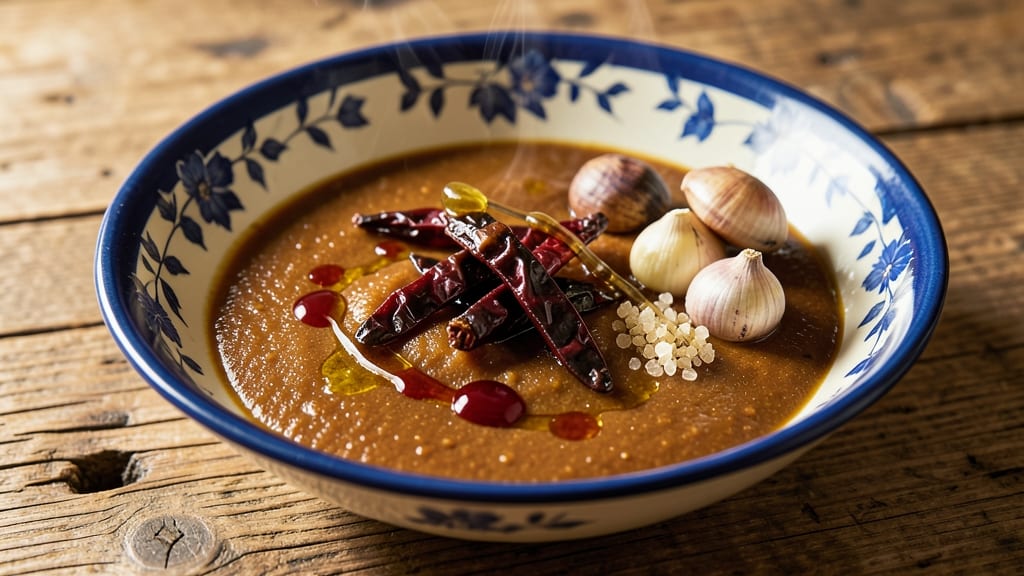
This Aleppo pepper sauce recipe transforms smoky, fruity heat into a versatile condiment that elevates everything from grilled meats to roasted vegetables. The key lies in balancing Aleppo pepper's signature depth with bright vinegar and rich olive oil, creating a sauce that's complex yet simple to make.
I developed this recipe after realizing how often I reached for store-bought hot sauces that lacked the nuanced flavor profile of Aleppo—until I made my own.
The process is straightforward: toast the peppers to deepen their aroma, then blend them with vinegar, garlic, and olive oil until smooth. The result is a sauce with layered heat—fruity upfront, smoky in the middle, and with a lingering warmth that doesn't overpower.
Unlike raw pepper sauces, this method ensures the heat develops gradually, making it perfect for those who want flavor without immediate intensity.
What makes this sauce truly special is its versatility—drizzle it over grilled chicken, mix it into marinades, or use it as a tangy dressing for salads. The acidity in the vinegar cuts through richness, while the olive oil adds a velvety finish.
Best of all, it keeps well in the fridge for up to two weeks, so you'll always have a flavor boost ready when you need it.
For those who love heat but hate the burn, this sauce delivers smoky complexity without the harshness of raw peppers. The blend of vinegar and oil creates a balanced condiment that works as both a finishing touch and a bold flavor base. Let's get started—your taste buds will thank you.
Ingredients for aleppo pepper sauce
Nine simple ingredients create a smoky, versatile sauce that elevates any dish.
| Ingredient | Amount | Notes |
|---|---|---|
| Aleppo Pepper 🌶️ | ½ cup | Toasted lightly for depth |
| Extra-Virgin Olive Oil 🫒 | ¾ cup | High quality, fruity variety |
| Red Wine Vinegar 🍷 | ¼ cup | Bright, acidic balance |
| Garlic Cloves 🧄 | 3 cloves | Freshly minced for aroma |
| Granulated Garlic 🧄 | 1 tsp | For subtle garlic flavor |
| Honey 🍯 | 1 tbsp | Balances heat (optional) |
| Sea Salt 🧂 | ½ tsp | Fine grain preferred |
| Black Peppercorns 🌶️ | ¼ tsp | Crushed for subtle heat |
| Water 💧 | ¼ cup | Adjusts consistency |
Aleppo pepper is the star here—look for vibrant red flakes in the bulk section of Whole Foods or Middle Eastern markets. If you can't find it, smoked paprika plus cayenne gets you close, though it won't have that same fruity depth. Toasting the peppers in a dry pan for 30 seconds deepens their aroma without burning. The extra-virgin olive oil should be fruity and peppery—California Olive Ranch or Colavita are my go-tos. Red wine vinegar adds brightness, but apple cider vinegar works in a pinch if that's what you've got.
No Aleppo pepper? Smoked paprika plus cayenne is the closest substitute, though it won't have that signature fruity heat. Fresh garlic is ideal, but granulated garlic at half the amount works if you're short on time. The honey balances the heat—skip it if you prefer a sharper sauce. For a smoother texture, strain the sauce through a fine-mesh sieve after blending. If it's too thick, add water 1 tbsp at a time until you reach your desired consistency. The black peppercorns add subtle heat, but you can omit them if you're sensitive to spice.
This sauce keeps beautifully—up to 2 weeks in the fridge once opened. Store it in a clean glass jar with a tight seal. For longer storage, transfer to an ice cube tray, freeze, then pop out individual servings. The flavor actually improves over time as the peppers mellow. I like to keep a small jar in my fridge at all times—it's perfect for drizzling over grilled meats, mixing into marinades, or adding a tangy kick to roasted vegetables. If you make a big batch, portion it into small containers so you always have some ready to use.
Why You'll Love This Recipe
- Five-Ingredient Magic: I swear, this sauce only needs five things—no fancy shopping, no hidden pantry raids. The Aleppo pepper’s fruity heat and the garlic’s punch come together so fast, you’ll forget you ever burned dinner.
- Sunshine in a Jar: That bright red hue isn’t just pretty—it’s a vibe. The vinegar cuts through the richness of the olive oil, while the Aleppo’s warm, citrusy kick makes it taste like a Mediterranean vacation in one spoonful.
- Pantry to Plate: Drizzle it on roasted veggies, toss it with pasta, or let it sit in your fridge for a week to mellow into the perfect dip. Honestly, I’ve used it on everything from scrambled eggs to charred grilled chicken—it’s my secret weapon for lazy nights.
- Budget Flavor Bomb: A little goes a long way, and these ingredients? Affordable as they come. I’ve made jars last months, and the cost per serving is laughable—especially when it turns a sad bowl of rice into a restaurant-worthy meal.
Step-by-step instructions for Aleppo pepper sauce
This sauce comes together quickly but delivers bold, layered flavor every time.
Lightly Toast the Aleppo Pepper
Heat a dry skillet over medium-low heat. Add the 0.5 cup Aleppo Pepper and toast for 3-4 minutes, stirring constantly, until you smell its nutty aroma and see it darken slightly but not burn. Toasting deepens the pepper's natural smokiness and mellows its heat. Watch closely—it only takes seconds to go from perfect to burnt.
Transfer the toasted pepper to a small bowl and let it cool for 5 minutes. This cooling step prevents steam from forming when you add liquid later, which could dilute your sauce. The pepper should be warm but not hot to the touch when you're ready for the next step.
Infuse the Olive Oil with Garlic
In a separate saucepan, combine the 0.75 cup Extra-Virgin Olive Oil, 3 cloves Garlic Cloves, and 1 tsp Granulated Garlic. Heat over low heat for 5-6 minutes until the garlic cloves are golden and fragrant but not browned. You want the garlic to infuse the oil without burning—burnt garlic makes the sauce bitter.
Strain the garlic-infused oil through a fine-mesh sieve into a clean bowl, pressing gently on the garlic to extract all the flavor. Discard the garlic solids. This step ensures your sauce has smooth texture without any chunks. The oil should smell rich and aromatic—like garlic meets olive fruitiness.
Build the Sauce Base
Return the infused oil to the saucepan and add the 0.25 cup Red Wine Vinegar and 0.25 cup Water. Bring to a gentle simmer over medium heat, then reduce heat to low. Stir in the toasted Aleppo Pepper, 0.5 tsp Sea Salt, and 0.25 tsp Black Peppercorns (crushed between your palms first). Let it simmer for 8-10 minutes until the mixture thickens slightly and the vinegar aroma mellows.
Taste and adjust—if it needs more acidity, add a splash more vinegar; if it needs more heat, add a pinch more pepper. The sauce should balance smoky, fruity, and slightly tangy notes. This is where you fine-tune the flavor profile before adding the honey.
Finish with Honey and Rest
Remove the sauce from heat and stir in the 1 tbsp Honey. The honey not only balances the heat but also adds subtle floral notes that complement the Aleppo pepper's complexity. Let the sauce sit off the heat for 5 minutes—this allows the flavors to meld completely.
For the best texture, transfer the sauce to a blender or food processor and pulse until smooth. If you prefer a slightly textured sauce, skip blending. Store in a clean jar in the refrigerator for up to 2 weeks. This sauce gets even better after a day or two as the flavors continue to develop.
Pro Tips For Making Aleppo Pepper Sauce
- TOAST THE PEPPERS LOW: I learned this the hard way—blasting Aleppo peppers on high heat turns them bitter fast. Instead, warm them in a dry pan over medium-low for 2-3 minutes, stirring constantly, until they smell fragrant but not smoky. That gentle heat brings out their fruity depth without burning.
- GRIND GARLIC FRESH: Granulated garlic is convenient, but for this sauce, minced fresh garlic cloves make a real difference. The texture is smoother, and the flavor’s more complex. If you’re short on time, at least crush the cloves with a knife before adding them—it releases more aroma than just chopping.
- STIR CONSTANTLY: Aleppo pepper sauce is forgiving, but skimp on stirring and you’ll end up with a streaky, uneven sauce. Keep a spoon in your hand the whole time, especially when adding vinegar, to prevent the oil from separating. A few extra minutes of stirring now means a silky finish later.
- THIN WITH VINEGAR GRADUALLY: Red wine vinegar is the glue here, but dumping it all at once can make the sauce too sharp. Start with half the amount, let it emulsify, then add the rest a teaspoon at a time while tasting. You’ll hit that perfect balance of tang and heat without overpowering the peppers.
Flavor customization for this dish
Sweet Heat Balance
Adjust the honey to taste—start with 1 tbsp for a balanced sauce, but add ½ tsp at a time if you prefer more sweetness. For a sharper profile, reduce honey to ½ tbsp or omit entirely.
If your sauce feels too sweet, balance it with 1 tsp extra red wine vinegar—the acidity cuts through the richness beautifully. I often make two batches: one with honey for grilled meats and one without for salads where I want tangier notes. 🍯
Spice Level Control
For mild heat, reduce Aleppo pepper to ¼ cup and add 1 tsp smoked paprika for depth without intensity. If you love fiery kicks, increase pepper to ⅔ cup and add ½ tsp cayenne pepper for extra punch.
Always taste after simmering—you can adjust heat by adding more pepper or diluting with 1 tbsp water if needed. I keep a small jar of extra Aleppo pepper on hand for quick adjustments. 🌶️
Herb Variations
Add 1 tbsp chopped fresh parsley or 1 tsp dried oregano for a Mediterranean twist. For a Middle Eastern flair, stir in ½ tsp ground cumin or ½ tsp coriander. Fresh herbs like cilantro or mint work well too—just add them after blending for maximum flavor.
I like adding 1 tsp lemon zest for brightness, especially when using the sauce on seafood. 🌿
Texture Preferences
For a smooth sauce, blend until completely silky using an immersion blender or countertop processor. If you prefer texture, skip blending and let the toasted pepper flakes add visual contrast.
For a chunky version, pulse briefly (3-4 seconds) to break up large pieces while keeping some texture. I often make both versions—smooth for drizzling and chunky for marinades. 🥄
Flavor Boosters
Add 1 tsp soy sauce for umami depth, especially when using the sauce on Asian-inspired dishes. For a smoky twist, infuse the olive oil with 1 tsp liquid smoke instead of garlic. A splash of orange juice (2 tbsp) adds citrus brightness that pairs perfectly with grilled chicken.
I once added ½ tsp ground cinnamon for a sweet-spicy fusion that worked amazingly on roasted carrots. ✨
Regional Adaptations
For a Turkish-inspired version, add ½ tsp sumac and 1 tsp pomegranate molasses for tartness. A Greek-style adaptation includes 1 tsp dried thyme and a pinch of ground cinnamon. For North African flavor, swap red wine vinegar for apple cider vinegar and add ½ tsp harissa paste.
Each variation keeps the Aleppo pepper as the star while adapting to local tastes. 🗺️
Nutrition facts
Frequently asked questions
Can I substitute Aleppo pepper with something else?
For a similar flavor profile, use ½ cup smoked paprika plus ½ tsp cayenne pepper—though it won't have Aleppo's fruity depth. For milder heat, try ½ cup sweet paprika with ¼ tsp red pepper flakes. Toast the substitute in a dry pan for 2 minutes to deepen its aroma before adding to the recipe.
How do I adjust the heat level in this sauce?
For milder heat, reduce Aleppo pepper to ¼ cup and add 1 tsp smoked paprika for depth. For extra heat, increase pepper to ⅔ cup and add ½ tsp cayenne. Always taste after simmering—you can dilute with 1 tbsp water if needed. I keep extra pepper on hand for quick adjustments.
Can I make this sauce without vinegar?
Yes! Swap the red wine vinegar for ½ cup lemon juice (brightens flavor) or ½ cup apple cider vinegar (milder tang). For a tang-free version, use ½ cup water and add ½ tsp citric acid (available in baking aisles) for subtle acidity. The sauce will still work but lose some complexity.
How long does this sauce keep, and can I freeze it?
Store in a clean glass jar in the fridge for up to 2 weeks. For longer storage, freeze in ice cube trays—pop out cubes as needed. Thaw overnight in the fridge. The flavor actually improves over time as the peppers mellow. I keep a small jar in my fridge at all times for quick flavor boosts.
What are the best ways to use this sauce?
Drizzle over grilled meats, mix into marinades, or use as a tangy dressing for salads. It also elevates roasted vegetables, soups, and even hummus. For extra flavor, simmer 1 tbsp sauce with 1 cup broth for a quick sauce base. The possibilities are endless—start with small amounts and adjust to taste!