Sauces & Condiments
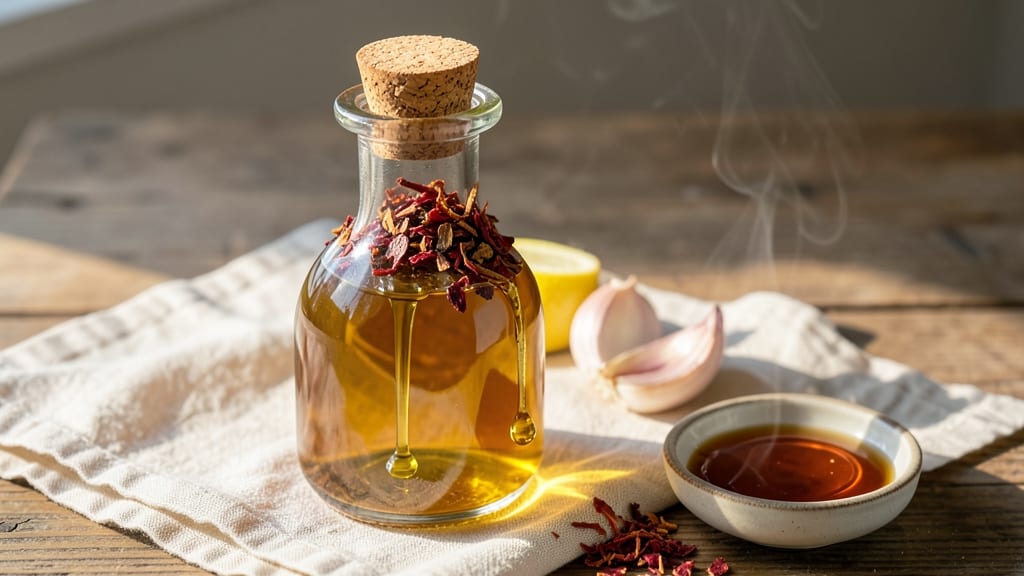
This Aleppo pepper hot sauce transforms everyday dishes with its signature smoky-sweet heat—perfect for adding depth to everything from grilled meats to roasted vegetables. The secret lies in balancing Aleppo's mild-to-medium heat with tangy vinegar and sweet honey, creating a sauce that lingers without overwhelming.
I developed this recipe after years of experimenting with Middle Eastern flavors, and it's become my go-to for adding complexity to any meal.
The sauce starts with a simple blend of Aleppo pepper flakes, red wine vinegar, and honey, which work together to create a harmonious balance of heat, acidity, and sweetness.
Unlike traditional hot sauces that rely on capsaicin for intensity, Aleppo peppers deliver a smoky, fruity heat that's far more versatile. The key is simmering the mixture just until the flavors meld—no need for complicated techniques, just patience and precision.
What makes this sauce truly special is its adaptability. Drizzle it over grilled chicken or fish for an instant flavor boost, stir it into marinades for extra depth, or use it as a finishing touch on soups and salads.
The heat level is mild to medium, making it accessible for most palates while still delivering a satisfying kick. Best of all, it keeps well in the refrigerator for up to three months, so you can make a big batch and enjoy it all season long.
For those who love to experiment, you can adjust the sweetness by adding more honey or the heat by increasing the Aleppo pepper flakes. The sauce also freezes beautifully if you prefer to make it ahead.
Whether you're a home cook looking to elevate simple dishes or a seasoned chef refining your flavor profiles, this Aleppo pepper hot sauce is a game-changer that deserves a spot in your pantry.
Ingredients for aleppo pepper hot sauce
Three core ingredients—pepper, vinegar, honey—plus a few secret players for depth and balance.
| Ingredient | Amount | Notes |
|---|---|---|
| Aleppo Pepper Flakes 🌶️ | ½ cup | Smoky, mild-to-medium heat |
| Red Wine Vinegar 🍷 | ½ cup | Dry, full-bodied variety |
| Raw Honey 🍯 | ¼ cup | Local or wildflower preferred |
| Garlic Cloves 🧄 | 3 cloves | Fresh, minced for depth |
| Extra-Virgin Olive Oil 🫒 | ¼ cup | High-quality, fruity |
| Fresh Lemon Juice 🍋 | 1 tbsp | Bright, freshly squeezed |
| Sea Salt 🧂 | ½ tsp | Fine grain preferred |
| Ground Black Pepper 🌶️ | ¼ tsp | Freshly cracked |
| Water 💧 | ¼ cup | Filtered or spring |
The Aleppo pepper flakes are the heart of this sauce, so quality matters. Look for vibrant red flakes at specialty stores like Penzeys or Middle Eastern markets—they should smell fresh and aromatic, not dusty. If you can't find Aleppo, smoked paprika plus a pinch of cayenne gets you close, though the smoky depth won't be identical. The red wine vinegar should be dry and full-bodied—Bartles & Jaymes or Bragg work well, but avoid sweetened varieties. Honey? Local or wildflower adds subtle floral notes that store-bought can't match, but any raw honey will do in a pinch.
No Aleppo pepper? Smoked paprika plus cayenne works, though you'll lose some of that signature fruity complexity. Swap red wine vinegar for apple cider vinegar or white wine vinegar, but reduce to 3 tbsp to avoid over-acidifying. Honey too expensive? Maple syrup or agave nectar work in a 1:1 ratio, though they add a different sweetness profile. The garlic and olive oil are non-negotiable—they're what turns this from a simple hot sauce to something truly special. If you're sensitive to garlic's punch, roast the cloves first to mellow their flavor without losing depth.
This sauce keeps beautifully—3 months in the fridge sealed in a glass jar, or 6 months frozen in ice cube trays for single-serving portions. The flavors actually improve over time, so don't hesitate to make a big batch. For best results, store it in a dark glass bottle away from light, which can degrade the pepper's color and flavor. If the sauce thickens, just add a splash of water or vinegar to loosen it back up. Trust me, you'll want to make this all the time once you taste how it transforms grilled meats and roasted veggies.
Why You'll Love This Recipe
- Five-Ingredient Magic: I swear by this combo—no fancy gadgets, no blender, just a jar and a spoon. The Aleppo peppers dissolve right into the vinegar, and the honey balances the heat so smoothly you’ll forget it’s even there.
- Sunset in a Jar: That first taste? Bright, tangy, with a slow-building warmth from the garlic and a touch of sweetness from the honey. It’s the kind of sauce you’ll drizzle on eggs, toss in salads, or just eat straight from the spoon.
- Weeknight Superhero: I keep a batch in the fridge for lazy nights—drizzle it on grilled chicken, mix it into hummus, or even stir it into yogurt for a quick lunch. Honestly, it’s the only condiment I need for half my meals.
- Lasts Forever, Costs Nothing: A little goes a long way, and these ingredients won’t break the bank. I’ve had the same jar for months, and it only gets better with time. Plus, the olive oil keeps it rich without needing to refrigerate until you’re ready.
Step-by-step instructions for Aleppo pepper hot sauce
Here's how to craft a balanced, aromatic sauce with layers of smoky depth and bright acidity.
Toast the Aleppo Pepper Flakes
Heat a small dry skillet over medium-low heat. Add the 0.5 cup Aleppo Pepper Flakes and toast for 2-3 minutes, stirring constantly. You're looking for a gentle aroma to rise—this activates the peppers' natural oils and deepens their smoky character. Watch closely; they'll darken slightly but shouldn't burn. Remove from heat immediately when you detect that warm, earthy scent.
Let the toasted peppers cool for 5 minutes, then transfer to a clean bowl. This brief rest prevents steam from forming when you add liquids, which could dilute their intensity. The peppers should now have a rich, reddish hue with a faint sheen from their released oils—this is your visual cue that they're properly toasted.
Infuse the Base with Garlic and Vinegar
In a medium saucepan, combine the toasted Aleppo pepper flakes, 0.5 cup Red Wine Vinegar, 3 cloves Garlic Cloves (minced), and 0.5 tsp Sea Salt. Bring to a gentle simmer over medium heat, then reduce to the lowest setting possible while maintaining a steady bubble. Let this mixture steep for 10-12 minutes—you'll see the garlic soften and the liquid develop a deep amber color.
Here's the thing—don't rush this infusion. The vinegar needs time to extract every layer of flavor from the peppers and garlic. Stir occasionally, but avoid vigorous mixing which could create foam. When ready, you'll notice the mixture has thickened slightly and carries a complex aroma blending smoky, garlicky, and tangy notes.
Add Honey and Oil for Balance
Remove the pan from heat and whisk in the 0.25 cup Raw Honey and 0.25 cup Extra-Virgin Olive Oil. The honey will begin to dissolve immediately, creating a glossy sheen. Return the pan to low heat and let the mixture simmer gently for 5-7 minutes, stirring frequently. This allows the honey to fully incorporate and the flavors to meld.
You're aiming for a sauce that's thick enough to coat the back of a spoon but still pourable. If it becomes too stiff, add 1 tablespoon of the 0.25 cup Water at a time until you reach the perfect consistency. The sauce should now have a rich, syrupy texture with visible flecks of pepper and garlic—this is your visual confirmation that all components are properly integrated.
Finish with Acid and Pepper
Remove the sauce from heat and stir in the 1 tbsp Fresh Lemon Juice and 0.25 tsp Ground Black Pepper. The lemon juice will brighten the flavors and cut through any remaining sweetness. Taste immediately—you should detect all four primary components: smoky heat from the peppers, garlicky depth, sweet honey notes, and bright acidity.
If needed, adjust the balance: Add more honey for sweetness, vinegar for acidity, or water for thinning. The sauce should be vibrant red with a glossy finish and a heat level that lingers pleasantly rather than overwhelms. Let it cool completely before tasting again—flavors continue developing as it sits.
Strain and Store
Once cooled to room temperature, strain the sauce through a fine-mesh sieve into a clean jar, pressing gently on the solids to extract maximum flavor. Discard the solids or compost them—they're flavorful but too coarse for this application. The strained sauce should be smooth with just a hint of texture from the finely ground peppers.
Store in an airtight container in the refrigerator for up to 2 weeks, or extend to 3 months by processing in a water bath. This sauce will elevate everything from grilled meats to roasted vegetables—its complexity makes it far more interesting than store-bought options. The perfect balance of heat, sweetness, and acidity makes it incredibly versatile in both cooking and finishing dishes.
Pro Tips For Making Aleppo Pepper Hot Sauce
- Toast the Garlic First: Skip the raw garlic—it’ll taste bitter and overpower the Aleppo. Sauté 2-3 peeled cloves in olive oil over medium-low heat until golden and fragrant (about 5 minutes), then mash them into the sauce. I learned this the hard way after making a batch that tasted like a chemistry experiment.
- Simmer Slow and Low: High heat turns this into a vinegar bomb. Keep the mixture at a gentle bubble for 15-20 minutes—just enough to meld the flavors without burning the honey or reducing the vinegar into harshness. Sounds boring, but it’s the thing that makes the difference between "decent" and "wow."
- Strain for Smoothness: Don’t skip the fine-mesh strainer—even Aleppo flakes can leave gritty bits. After simmering, press the mixture through a sieve to remove garlic skins and any undissolved pepper. Yes, it’s an extra step, but your future self will thank you when you’re not spitting out texture surprises.
- Balance the Heat Early: Taste as you go—add honey gradually to counter the Aleppo’s bite. If it’s too sharp, a splash of vinegar fixes it; if it’s too sweet, a pinch more pepper wakes it up. I was skeptical until I tried it: the sauce should taste complex, not one-dimensional. Adjust in small batches.
Essential equipment for this recipe
Small Batch Tools
For home cooks, a small saucepan (2-3 quart capacity) is ideal—it gives you enough room to simmer without boiling off liquids too quickly. I use my All-Clad stainless steel pan because it distributes heat evenly and prevents scorching.
A fine-mesh sieve (like the OXO Good Grips) is essential for straining out pepper solids while keeping the sauce smooth. 🌶️
Precision Measuring
Invest in a digital kitchen scale (I recommend OXO Good Grips) for accurate measurements, especially with ingredients like honey and olive oil. For vinegar and water, a liquid measuring cup with pour spout (like Pyrex) makes pouring easier without spills.
A microplane for garlic ensures even mincing without overpowering the sauce.
Heat Control Essentials
Your stove's lowest heat setting is crucial for gentle simmering—avoid high heat which can burn the honey and make the sauce bitter. A thermometer (like Thermoworks Smoke) helps monitor temperatures, though most home cooks can gauge by visual cues: tiny bubbles at the edges indicate ideal simmering. 🔥
Storage Containers
Use amber glass bottles (like Ball Mason jars) to protect the sauce from light, which can degrade the pepper's color and flavor. For long-term storage, a vacuum sealer (such as FoodSaver) extends shelf life to 6 months in the freezer. Label containers with dates to track freshness.
Optional Upgrades
A high-speed blender (like Vitamix) lets you skip straining by blending the mixture until smooth, though you'll lose some texture. For professional results, a pH meter (like Apera Instruments) helps balance acidity precisely, though it's overkill for home use.
The basic tools above will give you restaurant-quality sauce every time. ✨
Nutrition facts
Frequently asked questions
Can I adjust the heat level in this Aleppo pepper sauce?
For a milder sauce, reduce the Aleppo pepper flakes to 0.25 cup and add 1 extra tablespoon of honey to balance. For more heat, increase the pepper to 0.75 cup and add a pinch of smoked paprika for depth. Always taste as you go—this sauce is all about finding your perfect balance.
Why does my sauce look cloudy after straining?
Cloudiness usually means some pepper oils or fine particles slipped through. For a clearer sauce, strain through a cheesecloth-lined sieve or use a nut milk bag for finer filtration. If you prefer texture, leave it slightly cloudy—the pepper oils add extra flavor! Just avoid vigorous shaking which can emulsify oils and make it permanently cloudy.
How can I use this sauce beyond drizzling?
This versatile sauce works in marinades (1-2 tablespoons per pound of meat), salad dressings (1 tablespoon per 2 tablespoons oil), or even as a glaze for roasted vegetables. Try reducing it with a splash of water for 5 minutes to create a sticky glaze. The honey and vinegar make it perfect for balancing rich, fatty dishes like lamb or duck.
Can I substitute Aleppo pepper with other peppers?
For a similar smoky profile, use smoked paprika plus 1/4 teaspoon cayenne (1:1 ratio). For fruity heat, try red chili flakes but reduce to 0.3 cup—they lack Aleppo's sweetness. Avoid habanero or ghost pepper unless you want extreme heat! The key is matching both the color and mild-to-medium heat signature of Aleppo peppers.
Will this sauce work in cold dishes like hummus?
Yes! The balanced flavors shine in cold applications. Add 1-2 teaspoons per serving of hummus or yogurt dip to brighten flavors. For extra richness, whisk in 1 tablespoon of tahini with the sauce. The acidity cuts through creamy textures beautifully, while the honey adds subtle sweetness that complements Middle Eastern dishes perfectly.